True Belgian waffles are a different species altogether from their American counterparts. They are made from a yeasted batter (or dough) that rests overnight, developing incredible flavor and a light, airy structure. When cooked in a deep-pocketed waffle iron, they emerge with a shatteringly crisp, caramelized exterior and a soft, almost brioche-like interior.
These waffles are substantial yet delicate, and their deep grids are engineered to hold pools of melted butter, syrup, and fruit. While they require planning ahead, the active work is minimal, and the result is a spectacular, restaurant-quality breakfast that’s worth the wait.
The Science of the Crisp Exterior & Airy Interior
The magic of an authentic Belgian waffle lies in the yeast and the high sugar content. The overnight fermentation allows yeast to slowly consume sugars, producing carbon dioxide and flavorful organic compounds.
This creates a network of tiny air bubbles throughout the batter, resulting in an exceptionally light and tender crumb. The high amount of sugar (and often pearl sugar in Liège-style waffles) isn’t just for sweetness; it caramelizes on the hot iron, creating a thin, crisp, glossy shell. The use of both butter and oil ensures richness while contributing to browning.
A Belgian waffle iron, with its deeper grids and higher clamping pressure, not only shapes the waffle but also provides more surface area for this caramelization and crisping to occur, creating the iconic contrast between the crunchy exterior and fluffy interior.
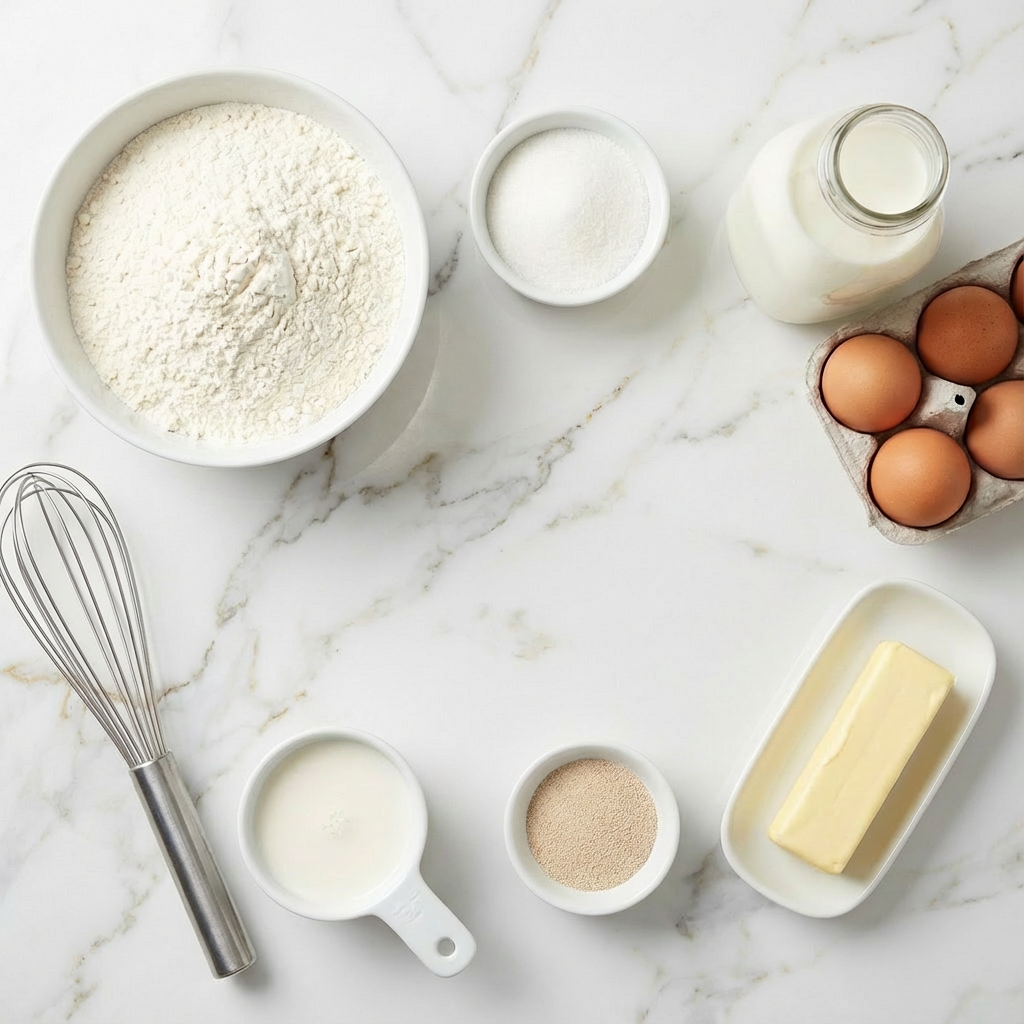
Instructions
The Activated Yeast
In a small bowl, dissolve 1 tsp sugar in the warm water. Sprinkle the yeast over the top and let stand for 5-10 minutes until foamy.
The Combined Liquid Base
In a large bowl, whisk together the warm milk, melted butter, brown sugar, salt, and vanilla extract.
The Mixed Batter Before Resting
Whisk the foamy yeast mixture and the beaten eggs into the milk mixture. Gradually whisk in the flour until just combined and smooth. The batter will be thick but pourable.
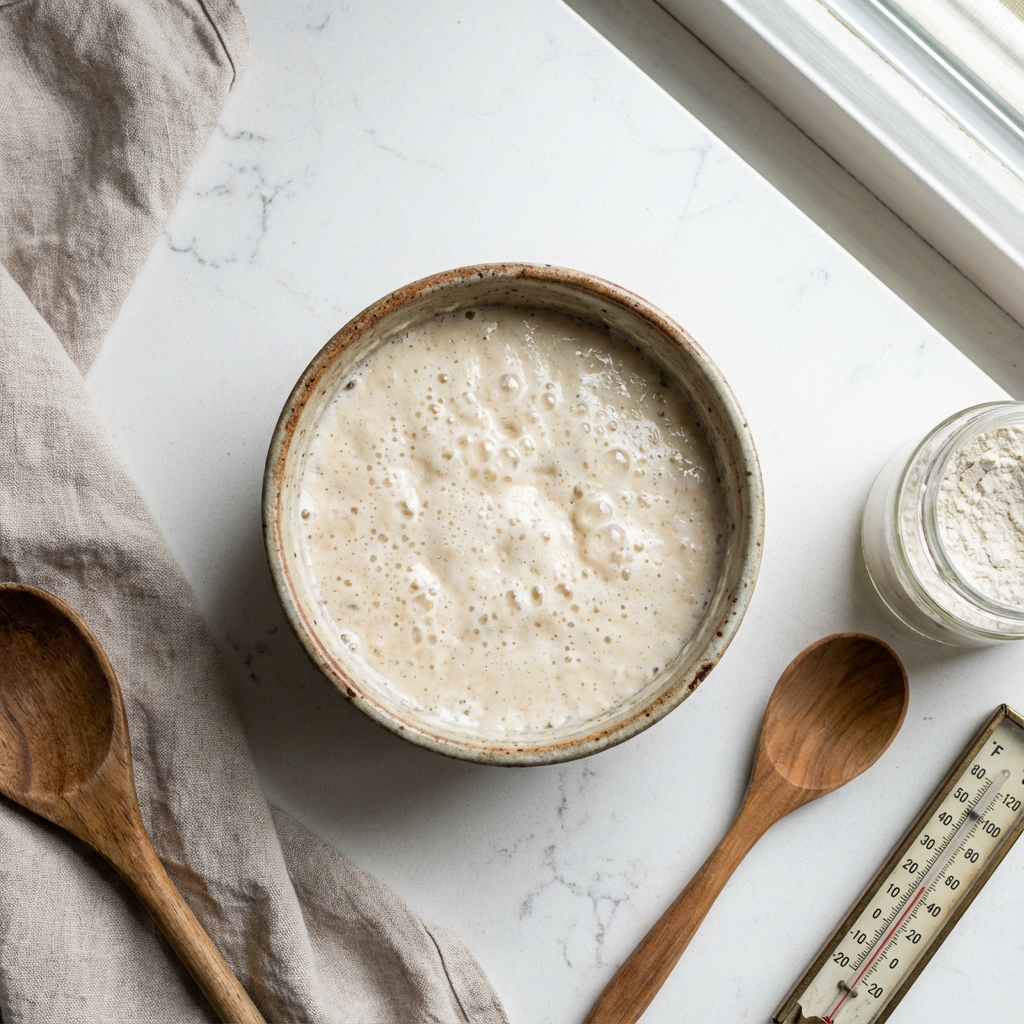
The Overnight-Risen Batter
Cover the bowl tightly with plastic wrap. Let it rest at room temperature for 1 hour, then refrigerate overnight (8-12 hours). The batter will rise, become bubbly, and almost double.
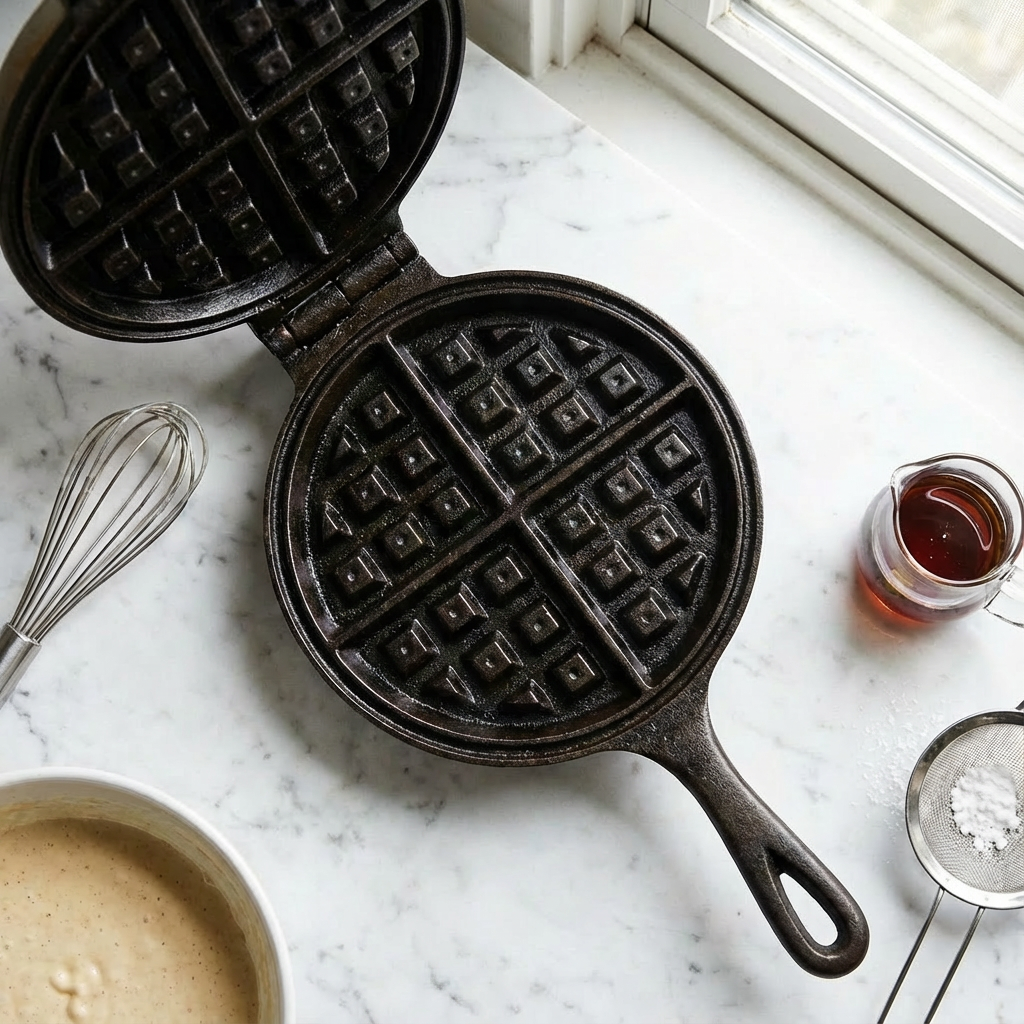
The Prepared Waffle Iron
Preheat your Belgian waffle iron according to manufacturer’s instructions until very hot. Grease the grids lightly with cooking spray or melted butter.
The Portioned Batter
Gently stir the risen batter to deflate it slightly. It will be very airy. Ladle the appropriate amount of batter onto the center of the lower grid (about ½ to ⅔ cup for a standard round Belgian iron).
The Cooking Waffle
Close the lid and cook according to your iron’s instructions, usually for 4-5 minutes. Do not open the lid early. Steam will escape from the sides as it cooks.
The Finished, Golden Waffle
The waffle is done when the steam nearly stops and it is deeply golden brown and crisp. Carefully remove it with a fork.
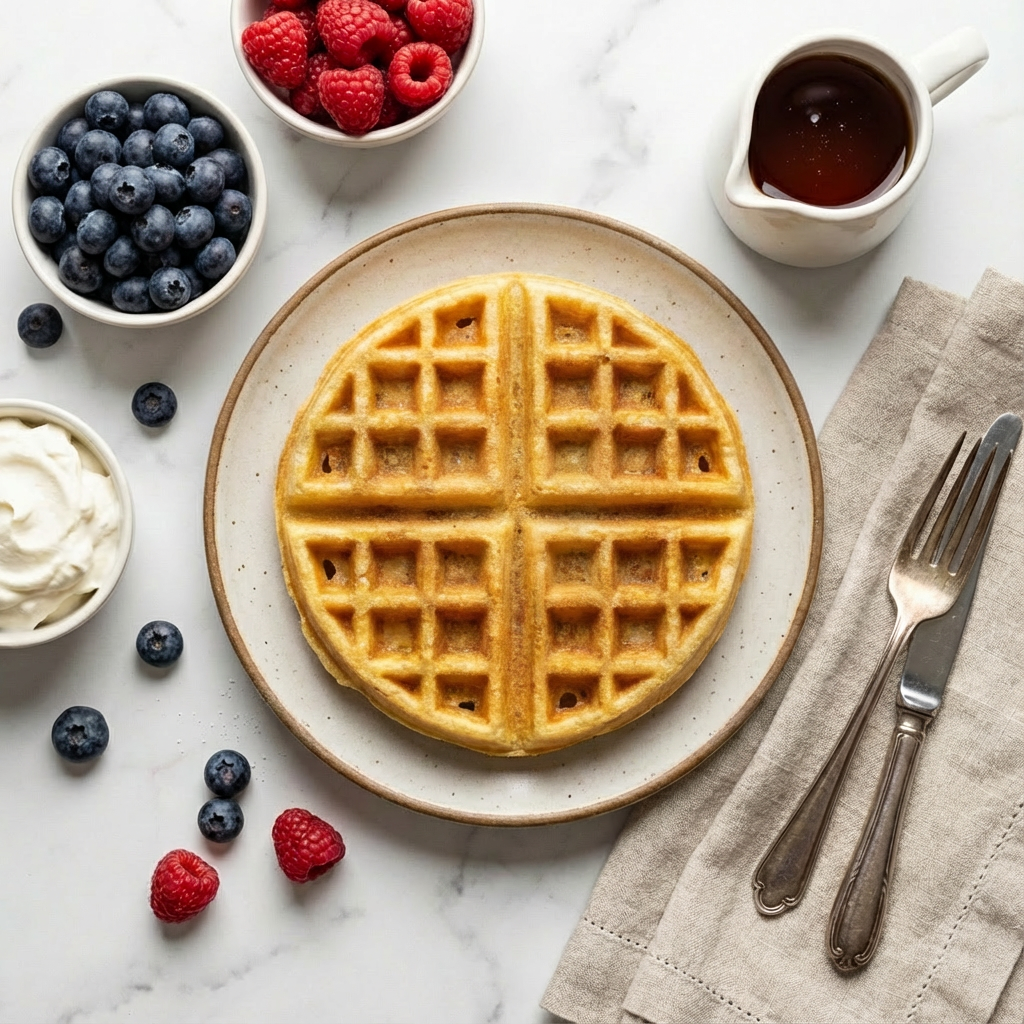
The Served Waffle
Serve immediately while hot and crisp. Dust with powdered sugar and top with fresh berries, whipped cream, and/or maple syrup as desired.
Pro-Tips for Waffle Perfection
- Plan Ahead: The overnight rest is non-negotiable for flavor and texture.
- Don’t Overmix: Mix the batter just until the flour is incorporated to avoid developing gluten, which can make the waffles tough.
- Batter Consistency: The batter should be thick like a brownie batter. If it seems too thick after resting, you can gently fold in a tablespoon or two of milk.
- Hot Iron is Key: A properly preheated iron ensures immediate caramelization and prevents sticking.
- Resist Peeking: Opening the iron too early can tear the waffle and release steam needed for the rise.
- Keep Waffles Warm & Crisp: Place cooked waffles in a single layer on a wire rack in a 200°F (95°C) oven. This keeps them warm and prevents them from getting soggy.
- No Belgian Waffle Iron? A deep-pocketed “American” style iron can work, but the waffles will be thinner. You may need to reduce the batter amount per waffle.
- Flavor Variations: Add ½ teaspoon of cinnamon or cardamom to the dry ingredients. Fold in fresh blueberries or chocolate chips into the batter just before cooking.
- Make Ahead & Freeze: Let cooked waffles cool completely on a rack, then freeze in a single layer. Reheat in a toaster or oven for a quick, excellent breakfast.
- Serving: Authentic Belgian waffles are often served simply with a dusting of powdered sugar, as their rich, caramelized flavor stands on its own.
These Authentic Belgian Waffles turn an ordinary morning into a luxurious event.