Redeem the reputation of fruitcake with this classic, deeply flavorful recipe. This is a proper, aged fruitcake—dense, moist, and rich with the complex flavors of rum or brandy-soaked dried fruits, warm spices, and toasted nuts.
The secret is in the preparation: the fruits are soaked for days (or even weeks) before baking, and the finished cake is regularly “fed” with spirits for a month, allowing the flavors to mature and mellow into something truly special. Baked in a lined pan for gentle, even cooking, this cake is a cherished holiday project that results in a gift-worthy dessert meant to be sliced thin and savored.
The Alchemy of Aging: Why Soaking & Feeding is Essential
A great fruitcake is not baked; it’s cured. The process begins with soaking the dried fruits in alcohol (rum, brandy, or whiskey) for an extended period. This rehydrates the fruit, plumping it with flavor and preventing it from absorbing too much moisture from the batter during baking, which would lead to a dry cake.
The batter itself is high in fat and eggs, creating a dense, sturdy structure that can support the heavy fruit and nut load. After baking, the “feeding” process begins. Small amounts of spirits are brushed onto the cooled cake every few days. The high sugar and alcohol content act as natural preservatives, while the alcohol slowly evaporates and carries the flavors deeper into the cake.
Over 3-4 weeks, the sharp alcohol notes mellow, the spices bloom, and the textures homogenize into a moist, sliceable confection that can last for months. This is the antithesis of a dry, bland fruitcake.
The Soaked & Plumped Dried Fruit (Result of Soaking)
At least a day before baking, combine all dried fruits, candied peel, and citrus zest in a large bowl. Pour over ½ cup of rum or brandy. Stir, cover tightly, and let macerate at room temperature, stirring occasionally. The fruit will become plump, fragrant, and have absorbed most of the liquid.
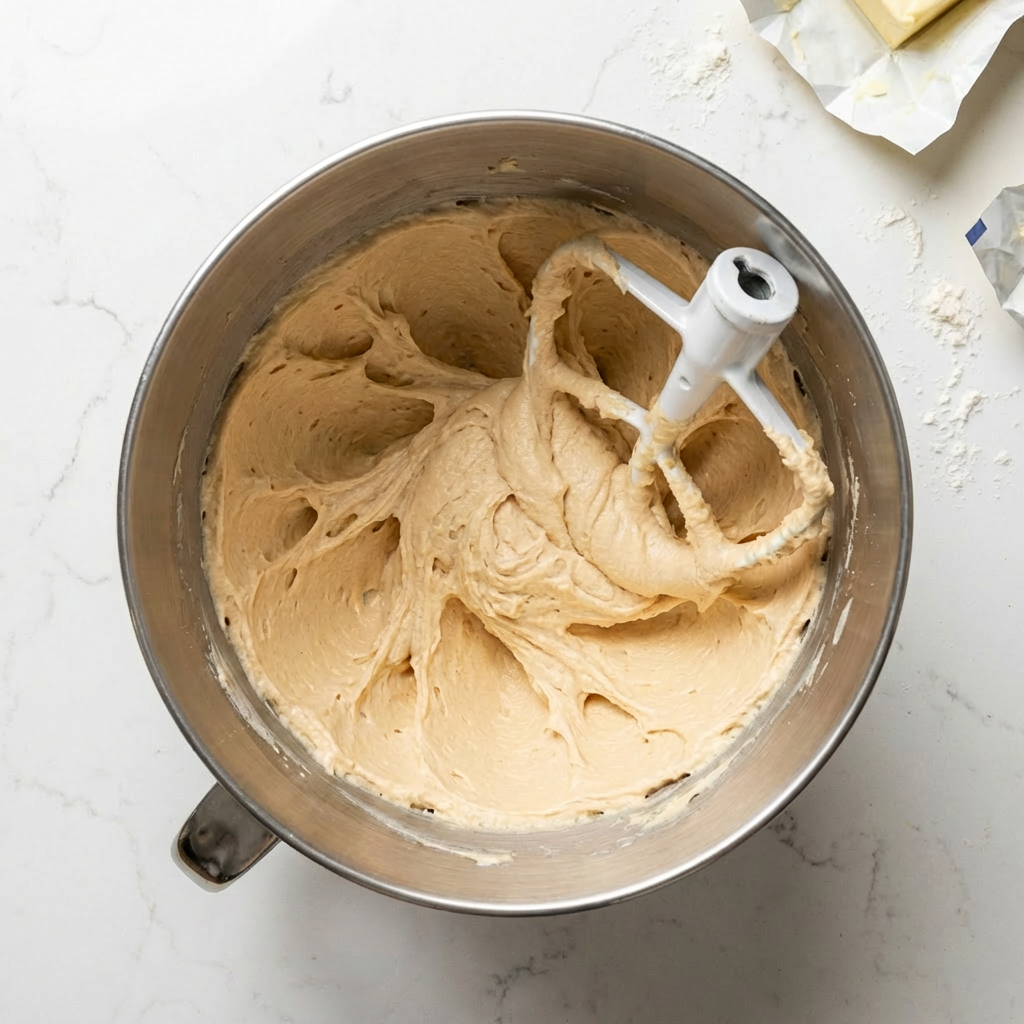
The Creamed Butter & Sugar Base (Result of Creaming)
On baking day, preheat oven to 300°F (150°C). Grease, then line a 9×5 inch loaf pan or an 8-inch round pan with a double layer of parchment paper (sides and bottom). In a large bowl, beat the softened butter and brown sugar until light and fluffy, about 3-4 minutes. Beat in the eggs one at a time, then the molasses.
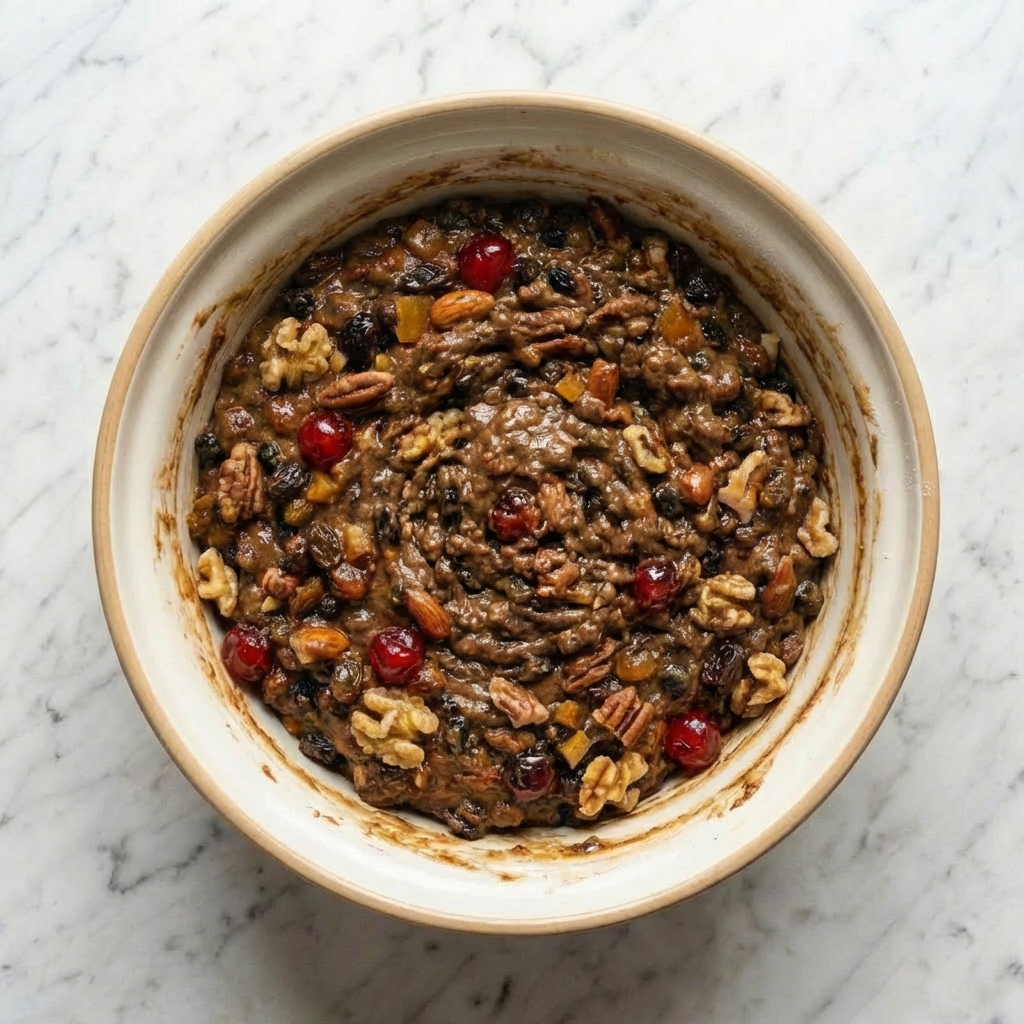
The Fruit & Nut-Studded Batter (Result of Final Mixing)
In another bowl, whisk flour, baking powder, baking soda, spices, and salt. Gradually add the dry ingredients to the butter mixture, alternating with the milk, mixing on low until just combined. Fold in the soaked fruit (and any remaining liquid) and the toasted nuts. The batter will be very thick and densely packed with fruit.
The Prepared Pan Ready for Baking (Result of Pan Filling)
Spoon the incredibly thick batter into the prepared, parchment-lined pan. Use a wet spoon to smooth the top into a slight dome. For even baking, you can place a pan of hot water on the oven rack below.
The Freshly Baked & Syruped Cake (Result of Baking & Initial Brushing)
Bake for 2 to 2 ½ hours, or until a skewer inserted into the center comes out clean (it may hit a sticky fruit piece, so test in a few spots). Let cool in the pan for 30 minutes. Poke holes all over the top with a skewer and brush generously with 2-3 tablespoons of rum or brandy. Let cool completely in the pan.
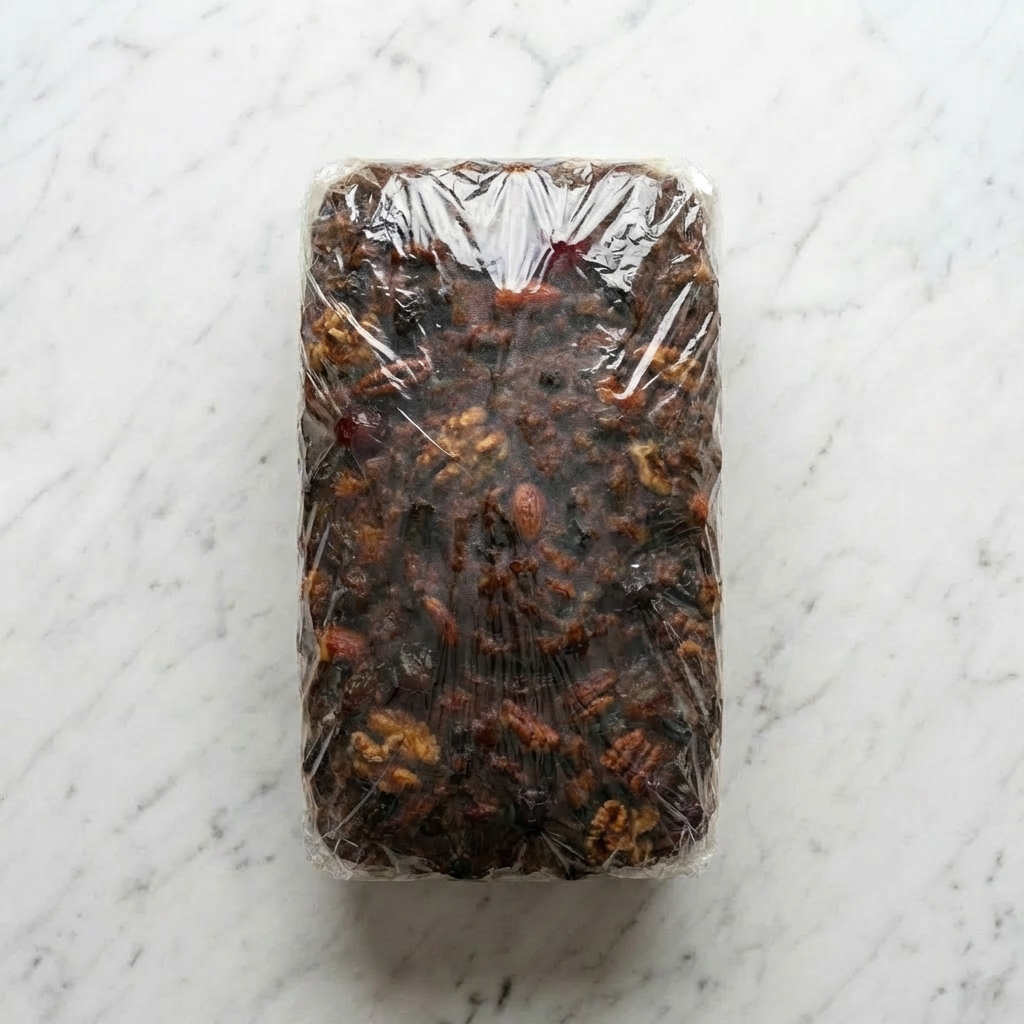
The Wrapped Cake Ready for Aging (Result of Initial Wrapping)
Once completely cool, remove the cake from the pan but leave the parchment paper on. Wrap tightly in a double layer of plastic wrap, then in aluminum foil. Store in an airtight container at cool room temperature.
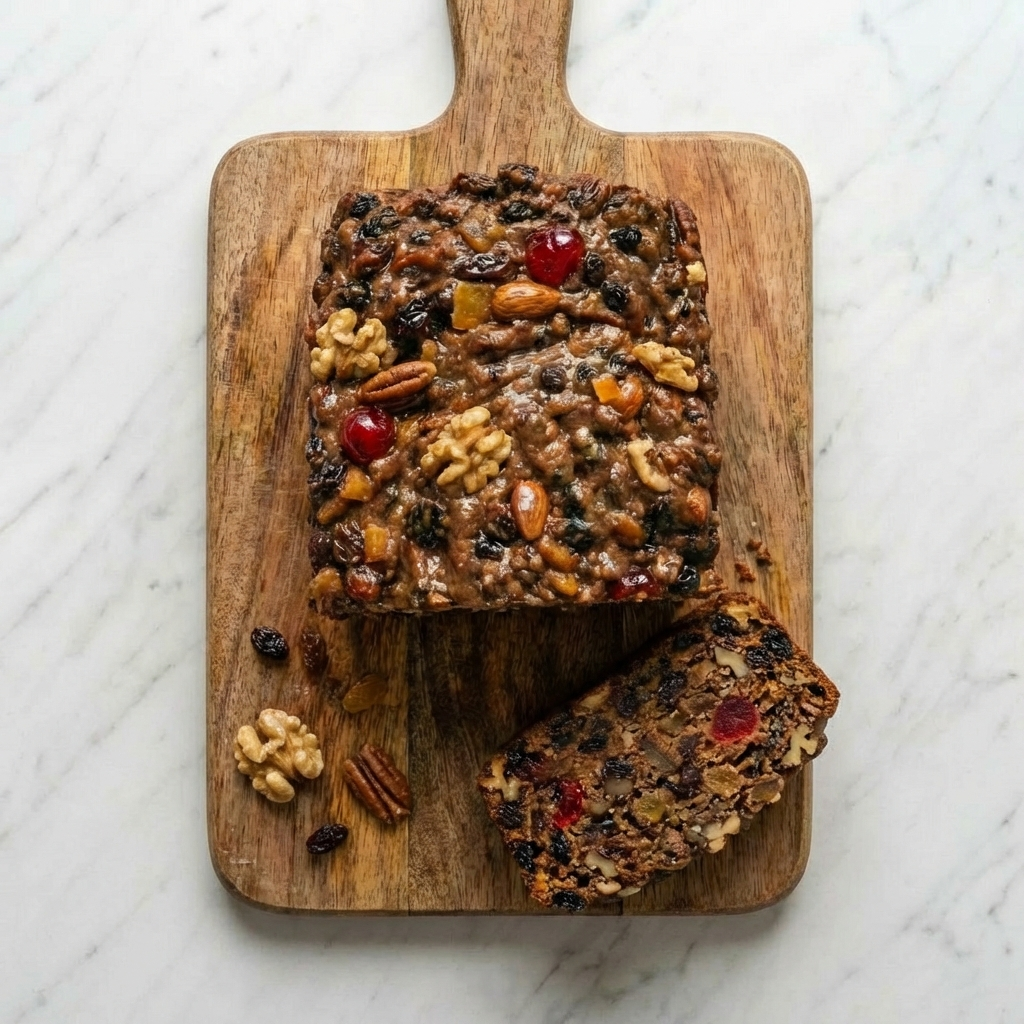
The Aged & Finished Cake (Result of Feeding Process)
Once a week for 3-4 weeks, unwrap the cake, poke it with a skewer, and brush with 1-2 tablespoons of spirits. Rewrap tightly. The cake is ready to slice when it feels uniformly moist and fragrant. Optionally, brush with a final glaze of warmed apricot jam before serving.
Serve & Store
Slice very thinly with a sharp, serrated knife. Serve at room temperature. Properly fed and wrapped, the cake can be stored for several months in a cool, dark place.
Pro-Tips for a Legendary, Long-Lasting Fruitcake
- Soak Your Fruit: Do not skip this step. Longer soaking (up to a week) yields a more flavorful, moist cake.
- Low & Slow Baking: The low oven temperature prevents the outside from burning before the dense center is cooked through.
- Parchment is Your Friend: Thorough lining prevents dark, hard edges and allows for easy removal.
- Feed Consistently: The weekly “feeding” is what transforms a good cake into a great one. Don’t rush the aging process.
- Choosing Spirits: Use a spirit you enjoy drinking. Dark rum and brandy are classics, but bourbon, sherry, or even strong black tea (for non-alcoholic) work.
- High Fruit-to-Batter Ratio: This cake should be mostly fruit and nuts, held together by just enough batter. Don’t be alarmed by the thick mixture.
- The Gifting Cake: Small, well-fed fruitcakes make exceptional holiday gifts. Wrap them in cheesecloth soaked in brandy before gifting.
This Classic Fruitcake is a celebration of time, tradition, and transformed ingredients.