Meet the cake that truly tastes like a cloud. This Japanese Cloud Cake—also known as Cotton Cheesecake or Soufflé Cheesecake—is a masterpiece of texture and restraint. It’s not as dense as New York cheesecake, nor as dry as ordinary sponge.
Instead, it exists in a category of its own: impossibly airy, delicately jiggly, and sublimely creamy. Each slice practically dissolves on your tongue, leaving behind whispers of cream cheese and vanilla. The technique is precise, but the reward is a dessert of breathtaking elegance.
The Science of the Cloud
This cake achieves its signature ethereal texture through three critical techniques: a stable meringue, a gentle water bath, and gradual cooling. Unlike American cheesecake, which relies on dense cream cheese and eggs, Japanese Cloud Cake derives its lift almost entirely from whipped egg whites folded into a light cream cheese base.
The meringue must reach stiff, glossy peaks—underwhipped and the cake falls flat; overwhipped and it deflates during folding. The water bath (bain-marie) surrounds the cake with gentle, moist heat, preventing the top from cracking and allowing the interior to cook through slowly and evenly without curdling.
Finally, cooling the cake gradually in the turned-off oven prevents the sudden temperature shock that causes collapse. The result is a cake with a crumb so fine it’s often called “cotton”.
Instructions
Prepare the Pan & Water Bath
Preheat oven to 320°F (160°C). Line the bottom of an 8-inch (20cm) round springform pan with parchment paper. Wrap the outside of the pan tightly with heavy-duty aluminum foil to prevent water from seeping in during the water bath. Bring a kettle of water to a boil.
Make the Cream Cheese Base
In a large bowl, beat the softened cream cheese and butter together until completely smooth and lump-free. Gradually add the milk and vanilla extract, mixing until fully incorporated. In a separate bowl, whisk the egg yolks with half the sugar (50g) until pale and slightly thickened.
Sift the cake flour and cornstarch together, then fold them into the yolk mixture. Combine this yolk mixture with the cream cheese mixture, whisking until smooth. Add lemon zest if using.
Whip the Meringue
In a clean, grease-free bowl, beat the egg whites with the cream of tartar (or lemon juice) and a pinch of salt on medium speed until foamy. Gradually add the remaining 50g of sugar in three additions, beating on medium-high speed until stiff, glossy peaks form. The meringue should hold its shape firmly when the whisk is lifted.
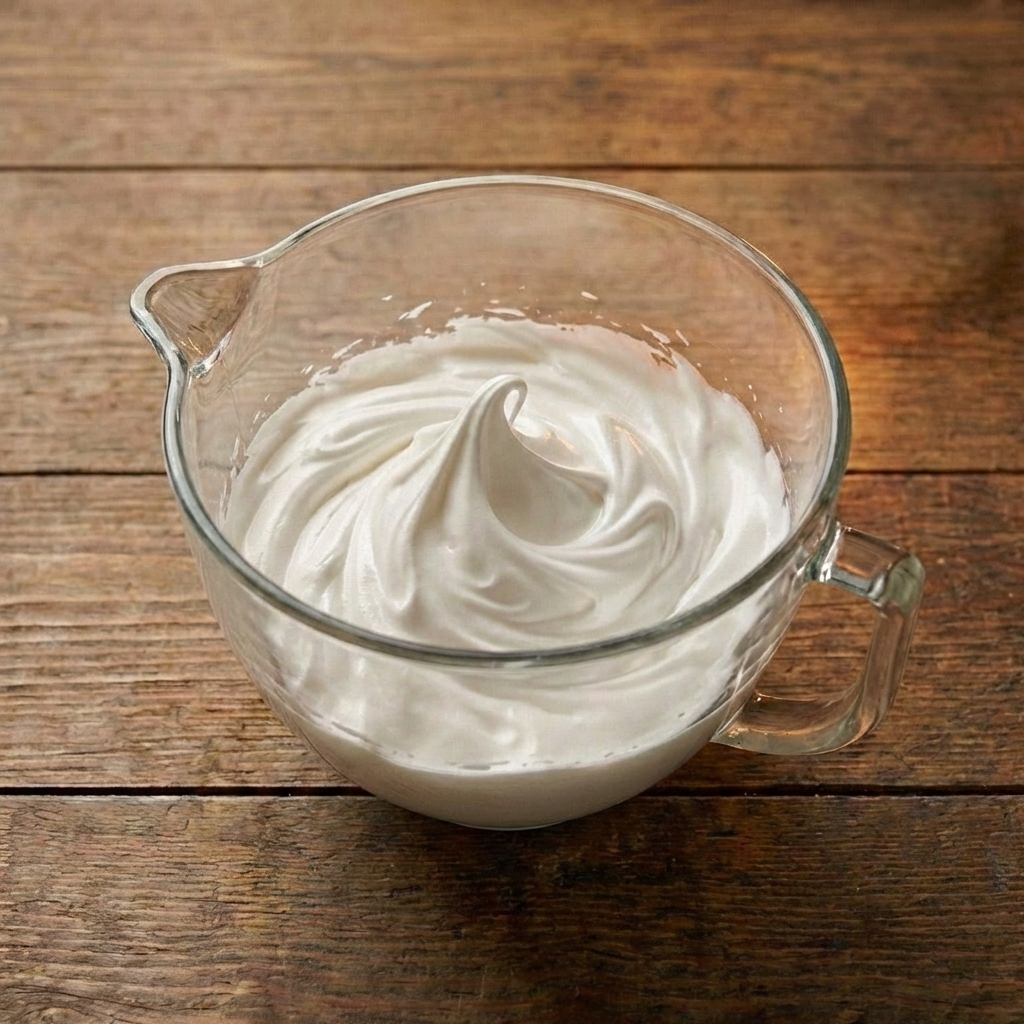
Fold Gently
Add one-third of the meringue to the cream cheese mixture and fold gently with a spatula to lighten the batter. Carefully fold in the remaining meringue in two additions, using a cutting and folding motion. Be thorough but gentle—you want a uniform batter with no white streaks, but you must not deflate the air bubbles.
Fill the Pan
Pour the batter into the prepared pan. Gently tap the pan on the counter 2-3 times to release any large air bubbles. Place the springform pan inside a larger roasting pan. Place the roasting pan on the oven rack, then carefully pour the hot water into the roasting pan until it reaches about 1 inch (2.5cm) up the sides of the springform pan.
Bake Slowly
Bake for 60-75 minutes, until the cake is set, puffed, and golden brown on top. The center should still jiggle slightly when gently shaken—it will continue to set as it cools. If the top is browning too quickly, tent loosely with foil after 40 minutes.
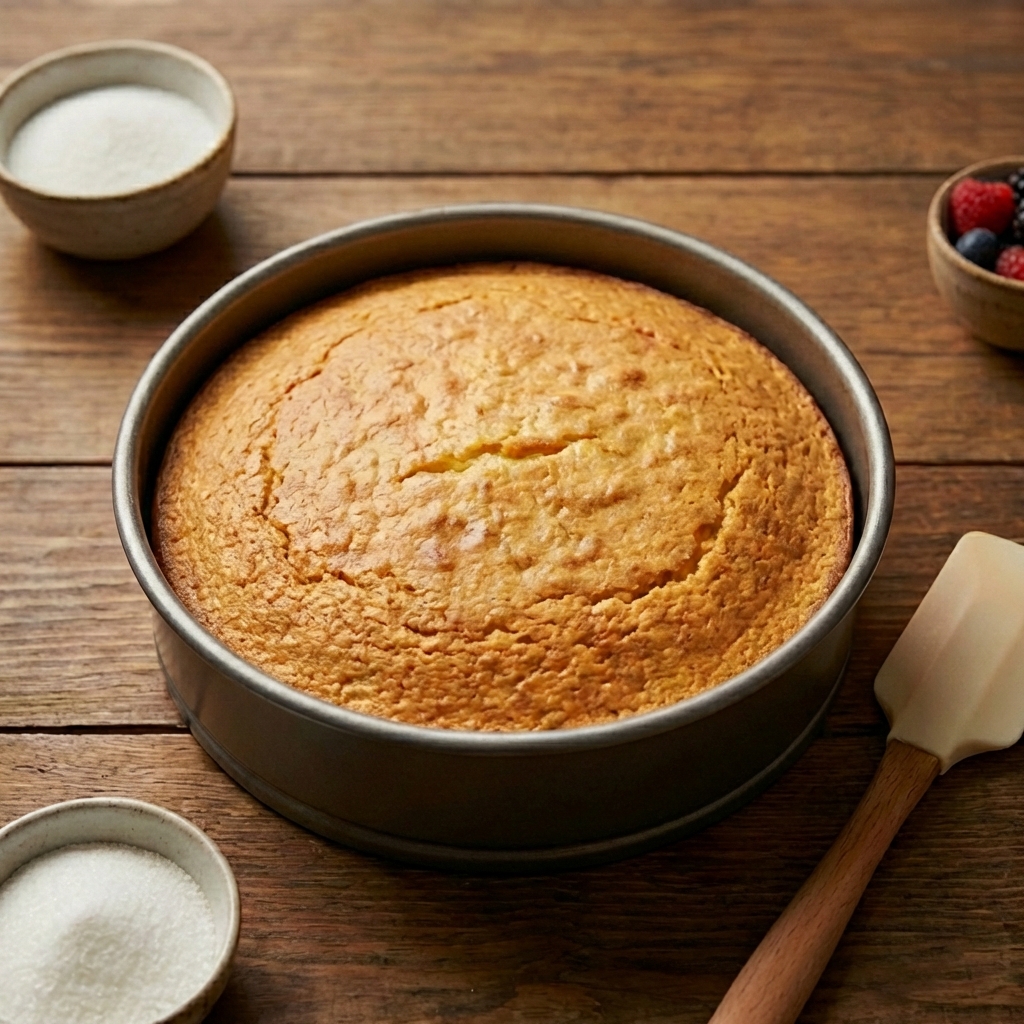
Cool Gradually
Turn off the oven and leave the door slightly ajar (prop it open with a wooden spoon). Let the cake cool in the oven for 1 hour. This gradual cooling prevents cracking and collapse. Remove from the oven and water bath, then let the cake cool completely in the pan on a wire rack. Once cool, refrigerate for at least 4 hours or overnight. This chilling step is essential for the perfect texture.
Unmold & Serve
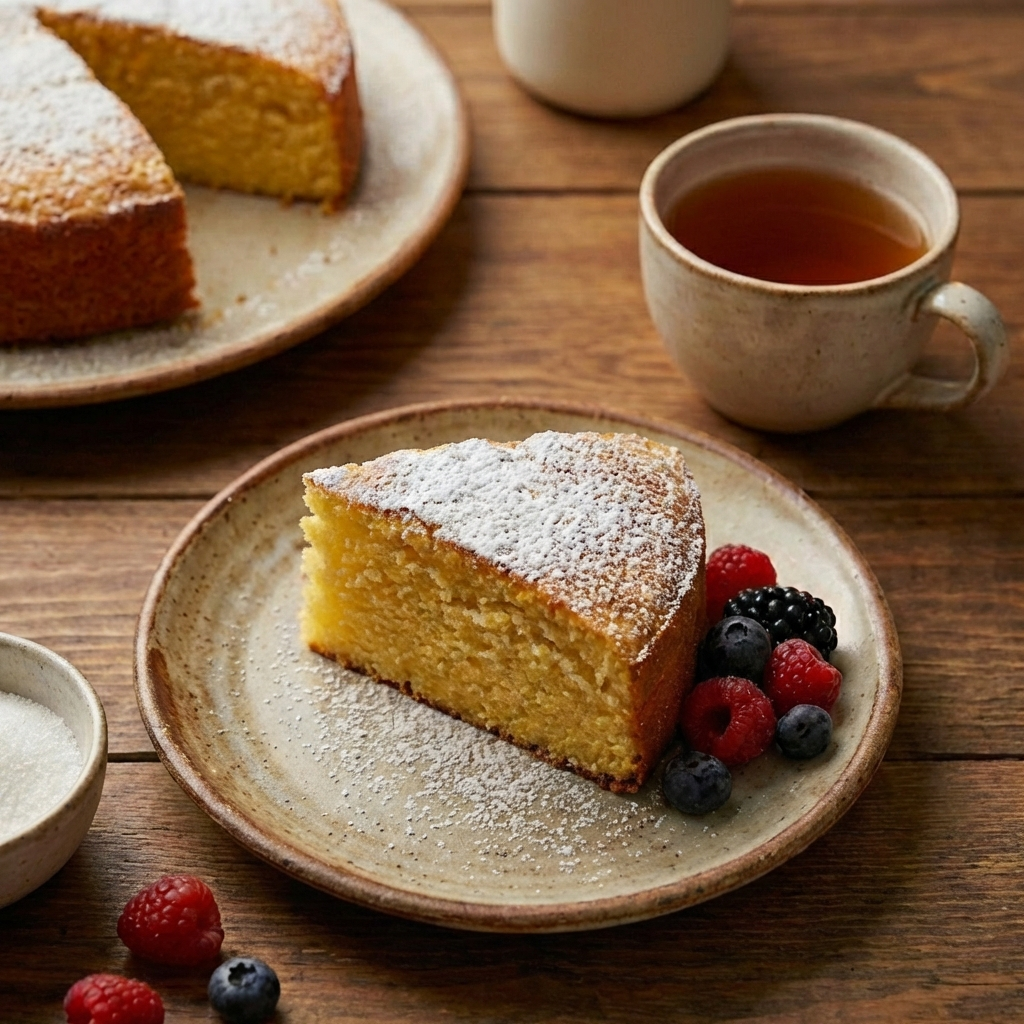
Run a thin, sharp knife around the edge of the pan, then release the springform. Invert the cake onto a plate, then flip it right-side up onto a serving platter. Dust generously with powdered sugar. For clean slices, use a knife dipped in hot water and wiped dry between each cut. Serve chilled or at room temperature with berries and whipped cream.
Pro-Tips for Cloud-Like Perfection
- Room Temperature Ingredients: Cold cream cheese and eggs create a lumpy batter and deflate the meringue. Set everything out 1-2 hours before starting.
- Never Grease the Pan Sides: The batter needs to cling to the ungreased walls to climb high as it bakes. Only line the bottom.
- Stiff, Not Dry Meringue: Whip until the peaks stand straight up but the meringue still looks glossy and moist. Dry, overwhipped meringue is impossible to fold in smoothly.
- Fold, Don’t Stir: Aggressive stirring destroys the air bubbles. Use a gentle, decisive folding motion.
- Water Bath is Non-Negotiable: This is what creates the signature moist, velvet texture and prevents cracking.
- Don’t Skip the Overnight Chill: The cake is extremely fragile when warm. Chilling firms it up for clean, beautiful slices and deepens the flavor.
- Flavor Variations: Add 1 tablespoon matcha powder (reduce flour slightly), 2 tablespoons cocoa powder, or replace lemon zest with orange zest.
This Japanese Cloud Cake is the ultimate test of gentle technique—and the ultimate reward.