Lemon Macarons are the epitome of a delicate, sophisticated treat. This guide walks you through the precise French meringue method to achieve the elusive smooth top, crisp shell, and iconic ruffled “foot.” Filled with a luscious, tangy lemon buttercream, each bite is a perfect balance of sweet and citrus.
While macarons have a reputation for being tricky, this detailed recipe demystifies the process, helping you create bakery-worthy results that are sure to impress.
The Science of Macaron Success
The structure of a macaron is a delicate dance of meringue stability and macaronage (the folding technique). The French meringue—egg whites whipped with granulated sugar—must reach stiff, glossy peaks to provide lift and structure.
The key step is macaronage: folding the almond flour and powdered sugar mixture into the meringue. You must fold just enough to deflate the meringue slightly and achieve a “lava-like” consistency that flows slowly but still holds a ribbon. Under-mix, and the shells will be lumpy and won’t spread; over-mix, and they will be flat and lack feet.
The resting period before baking is non-negotiable; it allows the shells to form a skin, which helps them rise upwards in the oven, creating the iconic foot.
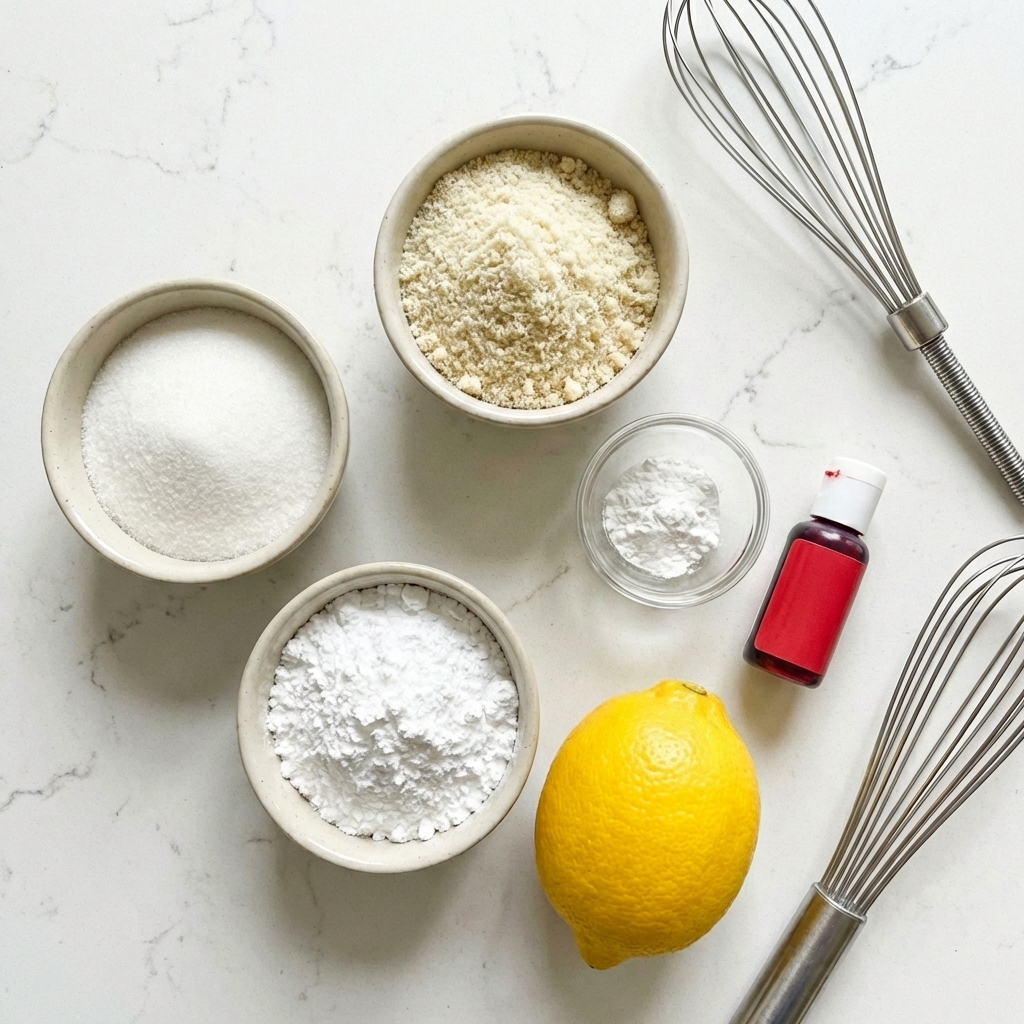
Ingredients
Instructions
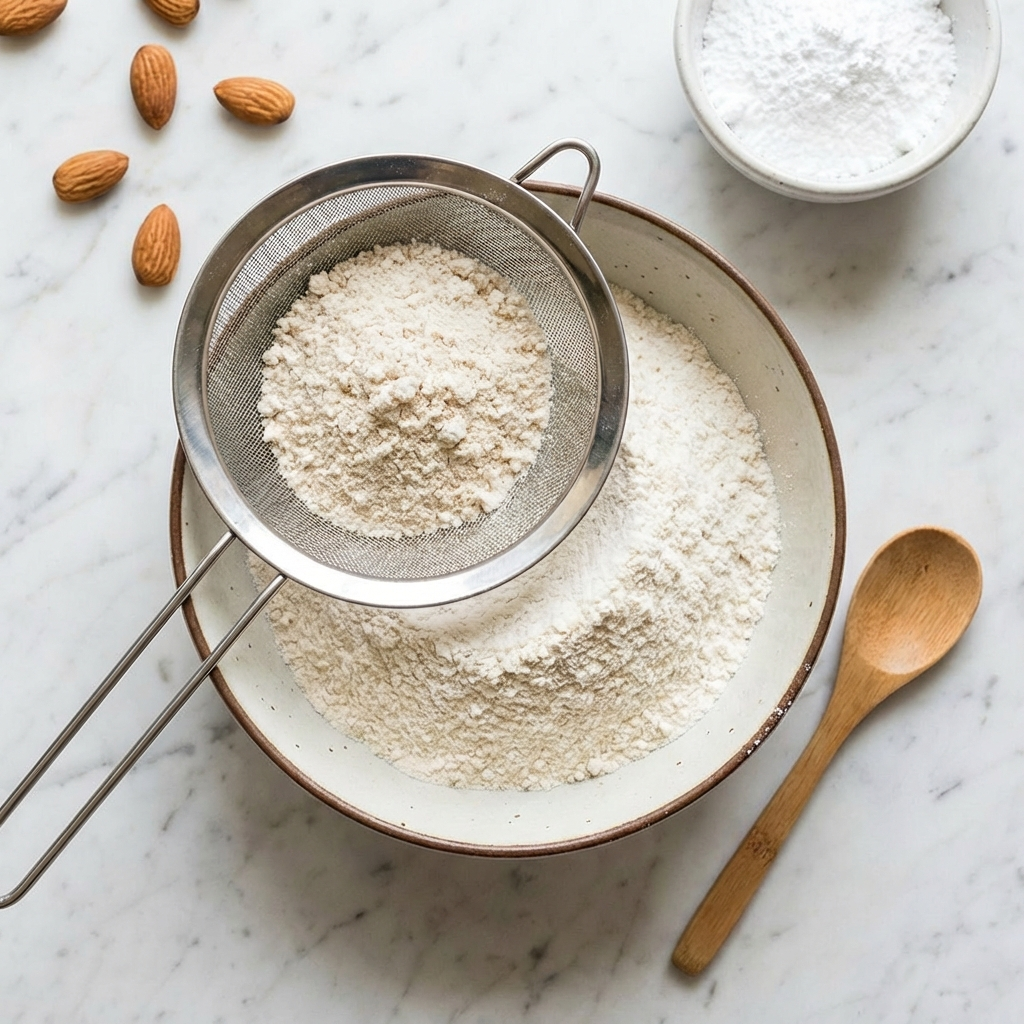
The Sifted Almond-Powdered Sugar Mixture
In a medium bowl, whisk together the sifted almond flour and sifted powdered sugar until thoroughly combined and lump-free. Sift the entire mixture a second time to ensure absolute fineness.
The Stiff, Glossy French Meringue
In a perfectly clean, grease-free bowl of a stand mixer fitted with the whisk attachment, combine the room-temperature egg whites and cream of tartar (if using). Begin whisking on medium speed until foamy. Gradually add the granulated sugar, about 1 tablespoon at a time.
Increase speed to medium-high and whip until stiff, glossy peaks form. The meringue should be very thick and hold its shape firmly. If using food coloring, add a small drop at the end and whisk briefly to incorporate.
The “Lava-Like” Macaronage Batter
Add about one-third of the almond-sugar mixture to the meringue. Fold gently with a flexible silicone spatula until mostly incorporated. Add the remaining dry ingredients.
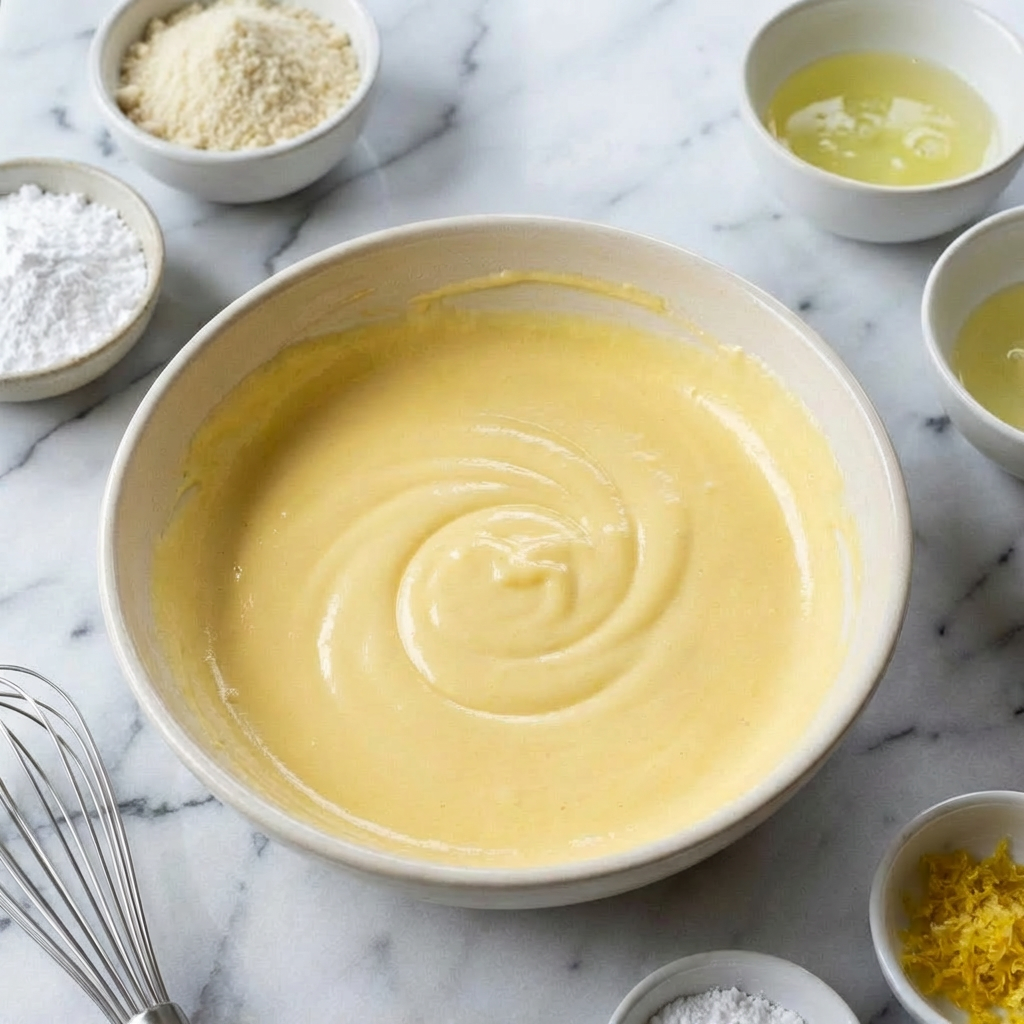
Continue folding, using a circular motion that scrapes the bottom and sides of the bowl, until the batter flows like thick lava and falls off the spatula in a continuous ribbon. When you lift the spatula, the batter should slowly sink back into the bowl and a figure-eight shape should hold for a few seconds before melting back.
The Piped, Skinned Macaron Shells
Fit a piping bag with a ½-inch round tip. Fill with batter. Pipe 1.5-inch rounds onto parchment-lined baking sheets, spacing them about 1 inch apart. Firmly tap the baking sheets several times on the counter to release air bubbles.
Use a toothpick to pop any remaining surface bubbles. Let the piped shells sit at room temperature for 30-60 minutes, until a dry skin forms on the surface (they should not be sticky to a gentle touch).
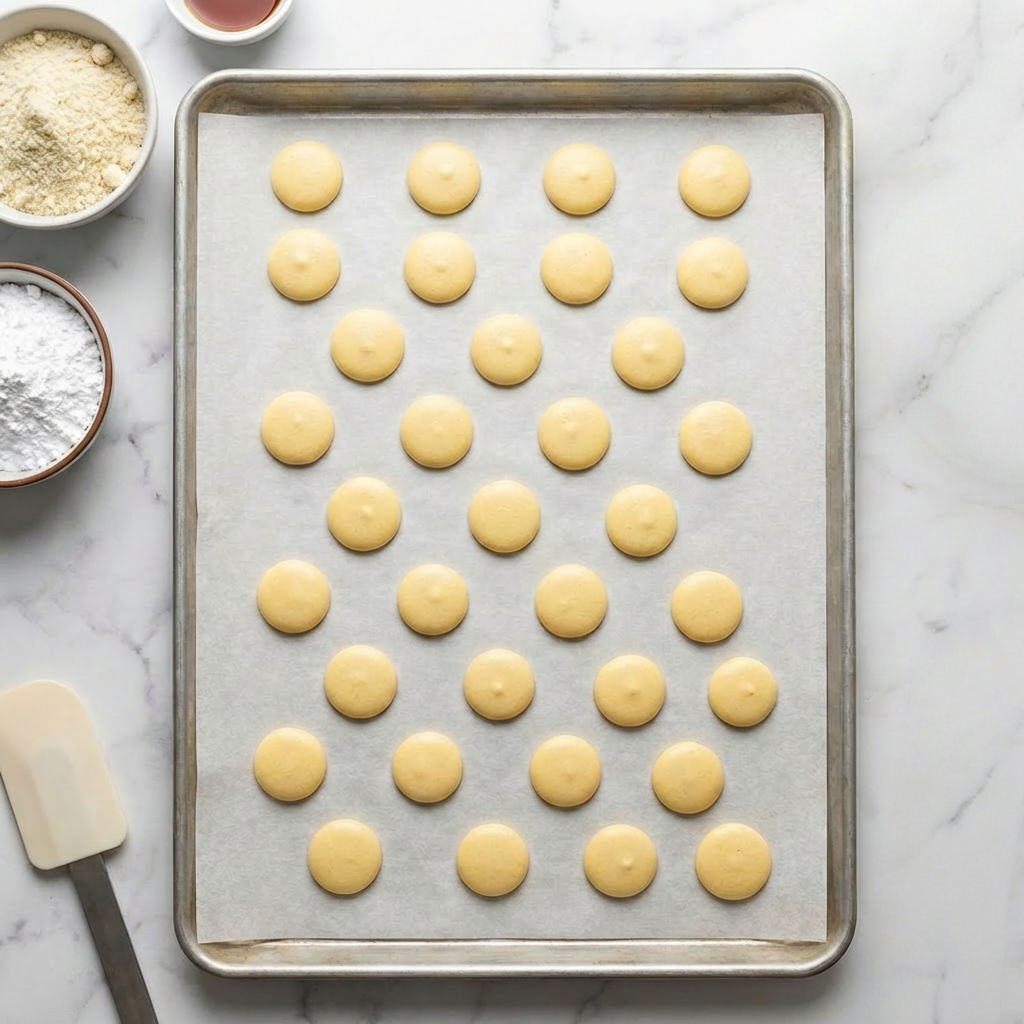
The Baked Shells with “Feet”
While shells rest, preheat oven to 300°F (150°C). Bake one sheet at a time in the center of the oven for 15-18 minutes. The shells are done when they look set, have developed ruffled “feet” at the base, and do not wiggle when gently nudged. Let cool completely on the baking sheet before attempting to remove.
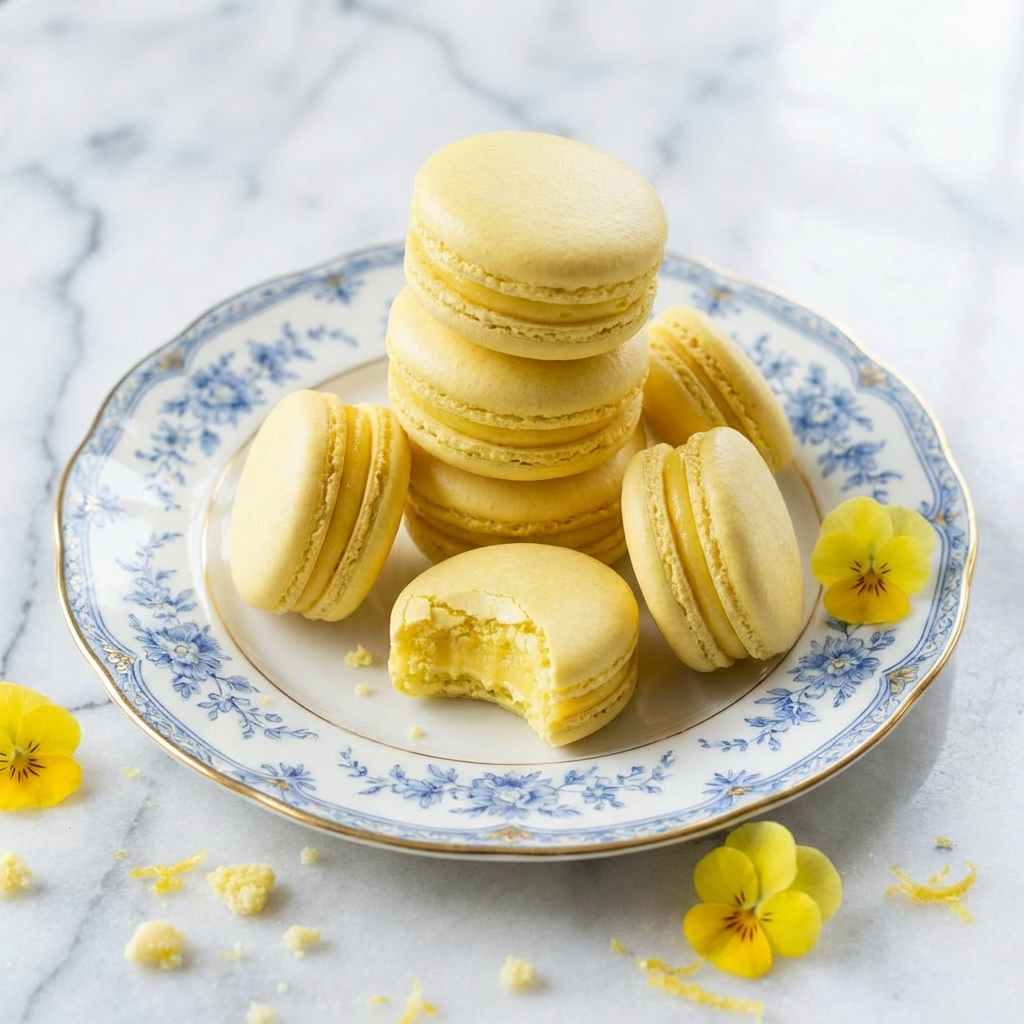
The Finished, Filled Macarons
While shells cool, make the filling: beat butter until creamy. Gradually add powdered sugar, then lemon juice, zest, cream, and salt. Beat until light and fluffy. Match up similar-sized shells. Pipe a small dollop of buttercream onto the flat side of one shell, then sandwich with its match.
Press gently until the filling reaches the edges. For best flavor and texture, store filled macarons in an airtight container in the refrigerator for 24 hours (this “maturation” allows the shells to soften slightly and the flavors to meld). Bring to room temperature before serving.
Pro-Tips for Macaron Mastery
- Weigh Your Ingredients: Precision is critical; use a digital kitchen scale.
- Sift, Don’t Skip: Sifting the almond flour and powdered sugar together multiple times is essential for smooth tops.
- Room Temperature Egg Whites: They whip to a greater volume than cold ones.
- No Grease: Ensure your bowl and whisk are impeccably clean.
- Master Macaronage: This is the most crucial skill. Stop folding when the batter flows slowly like lava.
- Rest Until Skinned: The dry skin prevents cracking and forces the rise to go outwards, creating the feet.
- Oven Thermometer: Oven temperature accuracy is vital.
- One Tray at a Time: Bake in the center of the oven for even heat.
- Maturation: The 24-hour rest after filling truly transforms the texture.
- Troubleshooting: Hollow shells often indicate over-whipped meringue or under-mixed batter. Cracked tops usually mean insufficient drying time.