Fattigmann, or “poor man’s cookies,” are a cherished Norwegian Christmas tradition. These elegant pastries are made from a rich, egg-yolk dough flavored with cardamom and brandy, then cut and twisted into delicate bows or diamonds before being briefly deep-fried.
The result is an impossibly light, crisp, and flaky cookie that literally melts in your mouth. While they require a bit of patience to shape, the process is part of the holiday ritual, and the reward—a platter of golden, sugar-dusted bows—is a stunning and delicious centerpiece for any festive gathering.
The Science of the Crispy, Airy Fry
The ethereal texture of Fattigmann is a triumph of fat and steam. The dough is exceptionally rich in egg yolks and cream, which provide fat and protein. When this dough hits the hot oil, the water in the dairy and eggs turns to steam almost instantly.
This steam expands rapidly, trying to escape, and in doing so, it pushes apart the layers of the thin dough, creating hundreds of tiny air pockets and a puffed, layered structure. The high heat of the oil simultaneously sets the proteins and caramelizes the sugars on the surface, resulting in a cookie that is golden brown, crispy, and almost hollow inside.
The cardamom not only adds distinctive flavor but its oils also contribute to the overall richness. The quick fry time ensures the cookies don’t absorb excess oil, keeping them light rather than greasy.
Instructions
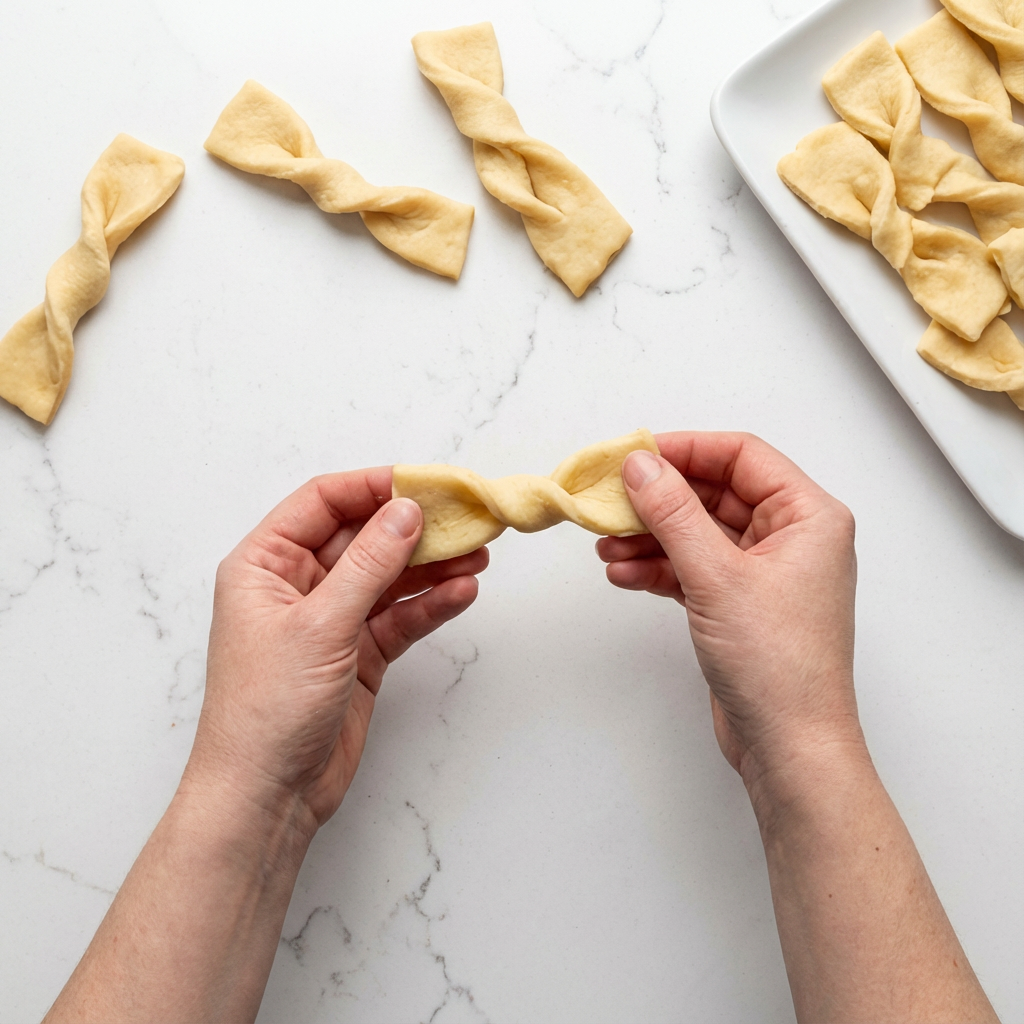
The Whisked Egg Yolk Base
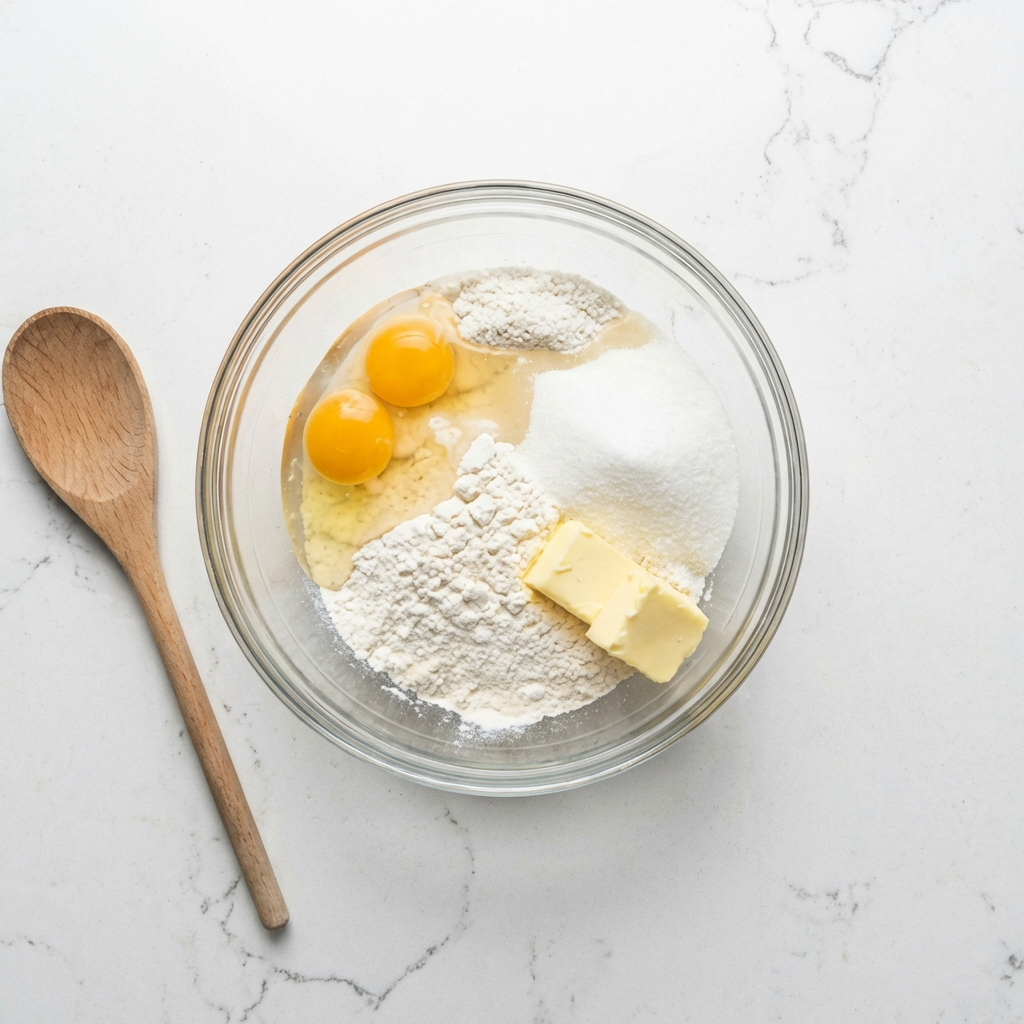
In a large bowl, whisk the egg yolks and granulated sugar together until thick, pale, and creamy, about 2-3 minutes.
The Enriched Liquid Mixture
Whisk in the heavy cream, brandy, ground cardamom, vanilla extract, and salt until the mixture is smooth and homogenous.
The Formed Dough
Gradually add the flour to the wet ingredients, mixing with a wooden spoon or your hands until a soft, slightly sticky dough forms. It will be pliable but firm.
The Chilled Dough
Wrap the dough tightly in plastic wrap and refrigerate for at least 2 hours, or preferably overnight. This firms the fat and relaxes the gluten, making it easier to roll thinly.
The Rolled-Out Dough
On a lightly floured surface, divide the dough into 4 pieces. Working with one piece at a time (keep the rest chilled), roll the dough out paper-thin, to about ⅛-inch thickness or less. The thinner, the crispier.
The Cut Diamond Shapes
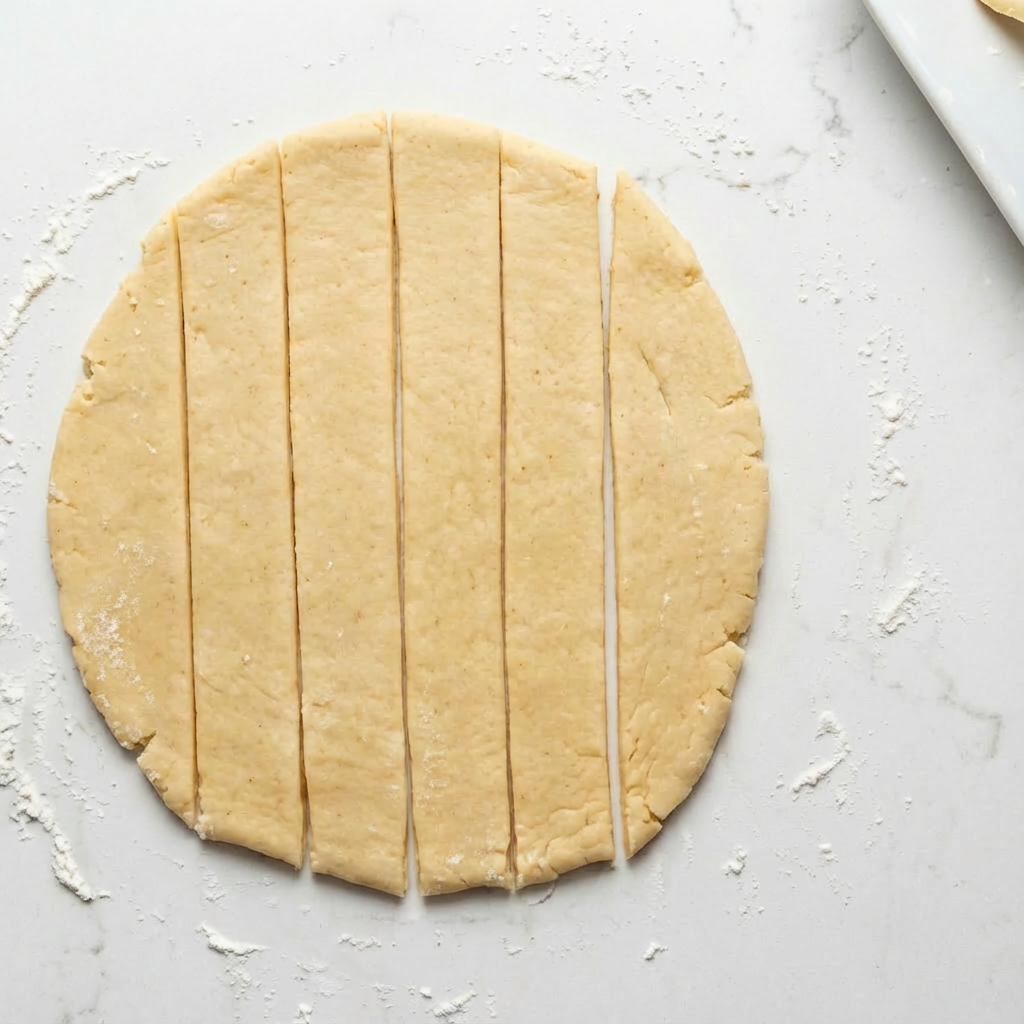
Using a fluted pastry wheel or sharp knife, cut the dough into long strips about 1.5 to 2 inches wide. Then, cut diagonally across the strips to form diamond shapes (or rectangles).
The Shaped Bows
Make a 1-inch slit lengthwise in the center of each diamond. Pull one corner of the diamond through the slit to form a loose knot or “bow” shape.
The Hot Oil for Frying
In a deep, heavy pot or Dutch oven, heat 2-3 inches of vegetable oil to 365-375°F (185-190°C). Use a thermometer for accuracy.
The Fried, Golden Bows
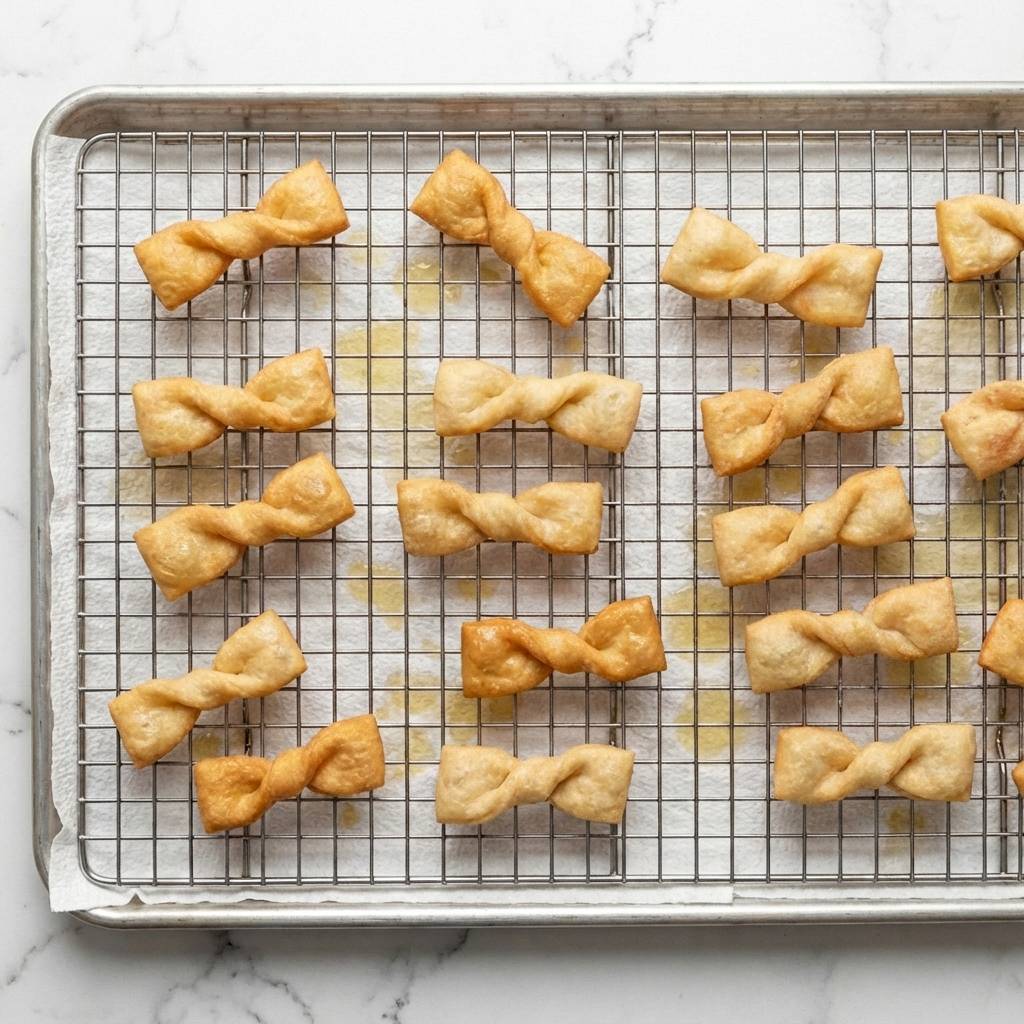
Fry the bows, 4-5 at a time, for about 45-60 seconds per side, until they are puffed and a light golden brown. They fry quickly. Remove with a slotted spoon and drain on a wire rack set over paper towels.
The Cooled & Dusted Bows
Let the bows cool completely on the rack. Once cool, dust them generously with powdered sugar using a fine-mesh sieve.
Pro-Tips for Perfect Norwegian Bows
- Roll Paper Thin: This is the most important step for achieving a light, crispy texture rather than a dense, doughy one. Don’t be afraid to roll it very thin.
- Keep Dough Cold: Work with small portions and keep the rest refrigerated. Warm dough is sticky and harder to handle.
- Consistent Oil Temperature: Use a thermometer. Oil that’s too cool will make greasy cookies; too hot will burn them before they cook through.
- Fry in Small Batches: Overcrowding the pot lowers the oil temperature dramatically.
- Drain on a Rack: Draining on a wire rack prevents steam from making the bottom soggy, unlike draining on just paper towels.
- Flavor Variations: A bit of fresh lemon or orange zest can be added to the dough. Some recipes include a touch of grated nutmeg.
- Alcohol Substitute: The brandy can be replaced with an equal amount of milk or more cream if preferred.
- Storage: Store in an airtight container at room temperature for up to 2 weeks. They keep remarkably well due to their low moisture content.
- Make Ahead: The dough can be made and refrigerated up to 2 days in advance. The shaped, uncooked bows can be frozen on a sheet pan, then transferred to a bag. Fry directly from frozen, adding 15-20 seconds to the fry time.
- Serving: These are traditionally served with coffee or gløgg (Scandinavian mulled wine) during the holidays.
These Norwegian Bows (Fattigmann) are a delightful, crisp bite of Christmas tradition.