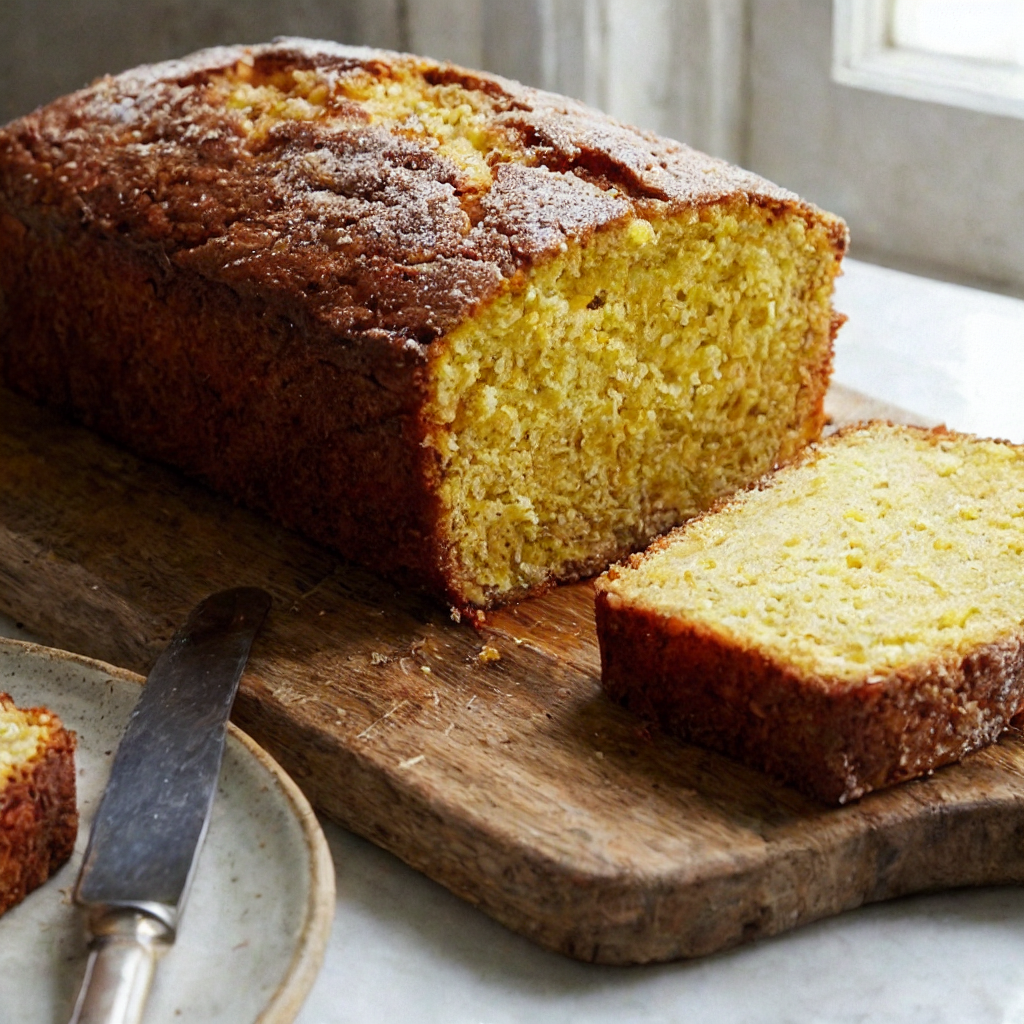
Some desserts are complicated. This is not one of them. This orange loaf cake is simple, humble, and absolutely perfect. It’s the kind of cake you make when you want something beautiful but don’t feel like pulling out the stand mixer and three different bowls. It comes together in minutes, fills your kitchen with the most incredible citrus scent, and emerges from the oven golden, crackly-topped, and begging for a drizzle of orange glaze.
The crumb is tender and moist, the orange flavor is bright and present without being overwhelming, and that glaze? It soaks into the top just enough to make every bite sing. Breakfast with coffee, dessert with a dollop of whipped cream, or a 3pm slice just because—this cake is sunshine in loaf form.
The Secret to Maximum Orange Flavor
If you want a cake that actually tastes like oranges (not just vaguely citrus-adjacent), you need to use oranges in two ways: zest and juice. The zest contains the essential oils that give orange its intense, aromatic flavor.
Rubbing the zest into the sugar before mixing releases those oils and distributes them evenly throughout the batter. The juice adds brightness and moisture, but it also needs a little help to keep the cake tender—that’s where the buttermilk comes in. Its gentle acidity balances the sweetness and ensures a soft, fine crumb.
And the glaze? More orange juice and zest, because you can never have too much of a good thing. The result is an orange cake that actually tastes like oranges. Revolutionary, right?
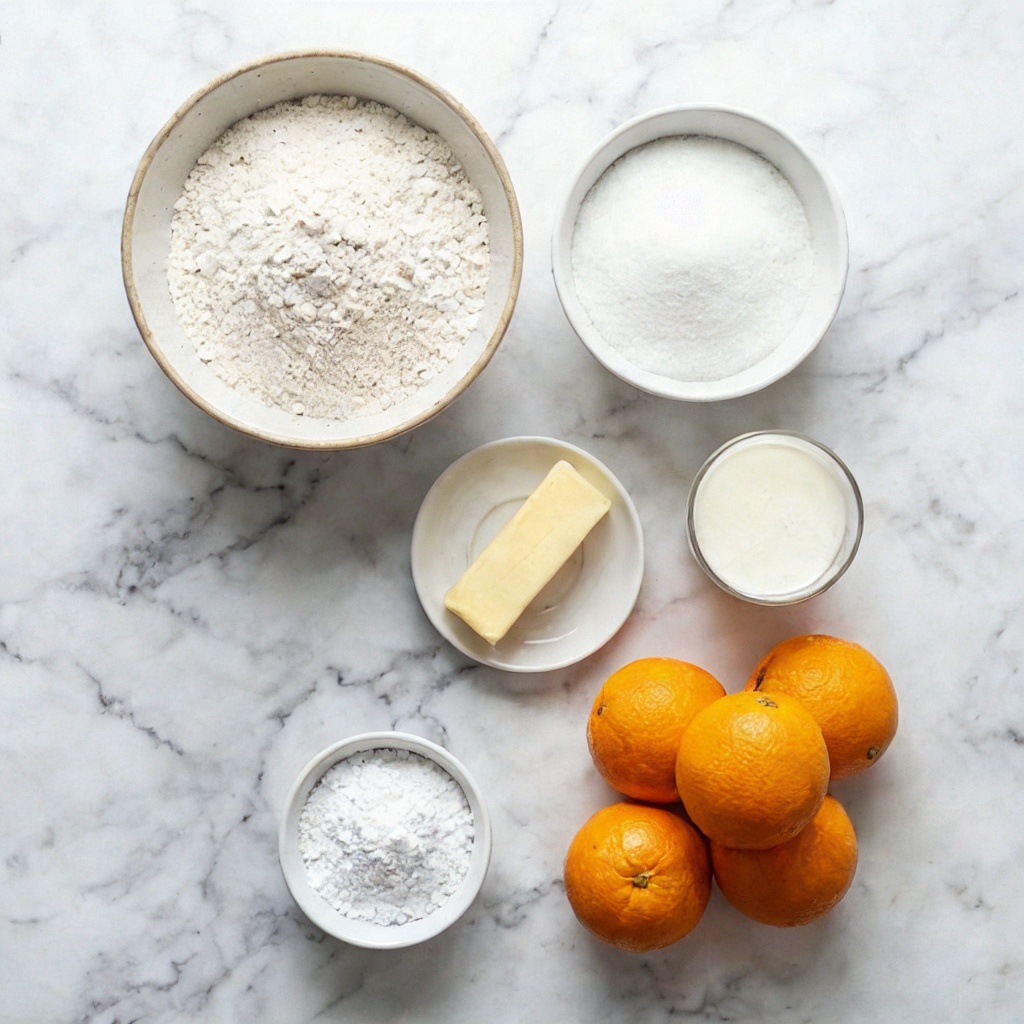
Instructions
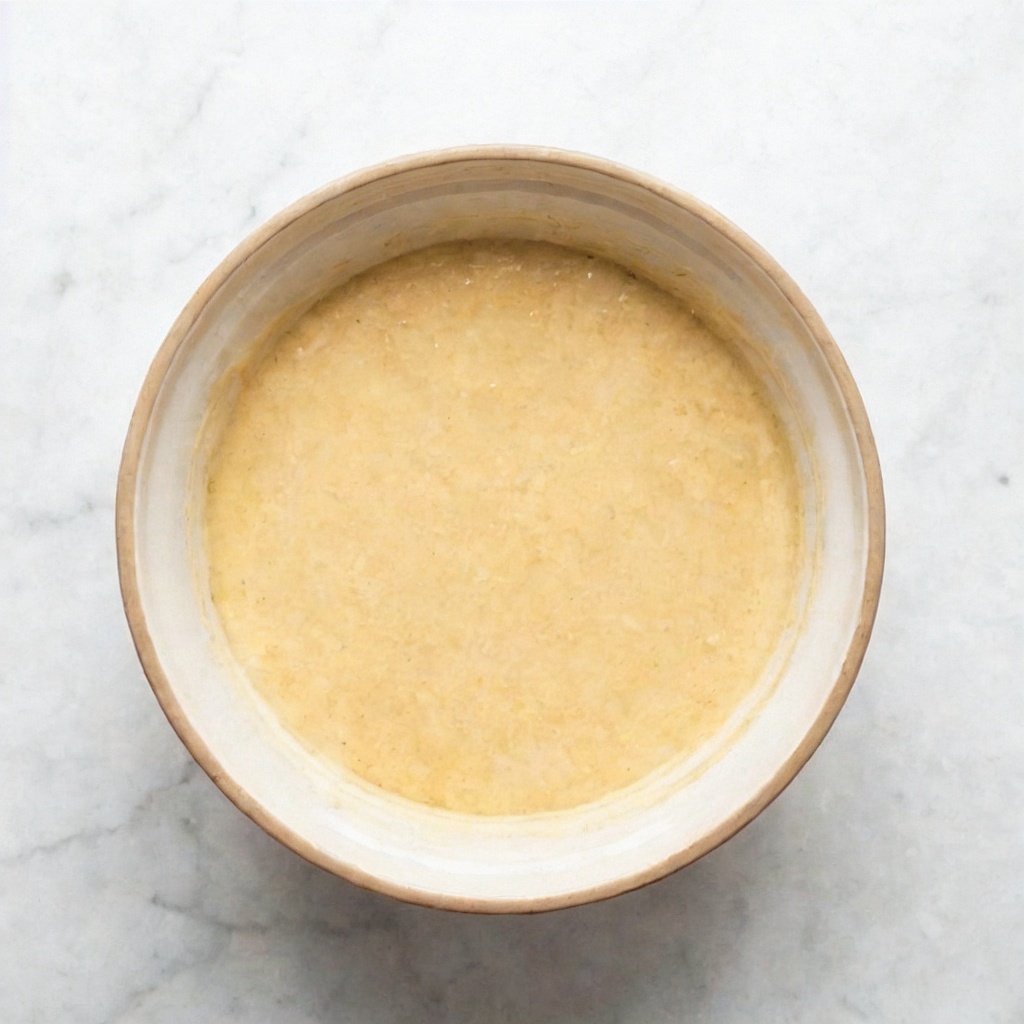
Preheat and Prep
Preheat your oven to 350°F (175°C). Grease a 9x5-inch loaf pan and line it with a strip of parchment paper, leaving overhang on the long sides for easy removal.
Zest and Sugar
In a large bowl, combine the granulated sugar and orange zest. Use your fingertips to rub the zest into the sugar for about a minute, until the sugar is fragrant and slightly orange-tinted. This releases the essential oils and maximizes flavor.
Cream Butter and Orange Sugar
Add the softened butter to the bowl with the orange sugar. Beat with a hand mixer or stand mixer on medium speed until light and fluffy, about 2-3 minutes.
Add Eggs and Vanilla
Add the eggs one at a time, beating well after each addition. Beat in the vanilla extract.
Combine Dry Ingredients
In a separate small bowl, whisk together the flour, baking powder, and salt.
Combine Buttermilk and Orange Juice
In a measuring cup or small bowl, whisk together the buttermilk and fresh orange juice.
Alternate Dry and Wet
With the mixer on low speed, add about one-third of the dry ingredients, mixing just until combined. Add half of the buttermilk mixture, mixing until incorporated. Repeat with another third of the dry, the remaining buttermilk, and finally the last of the dry. Mix just until no streaks of flour remain—do not overmix.
Transfer to Pan
Pour the batter into the prepared loaf pan and spread it evenly.
Bake
Bake for 50-60 minutes, until a toothpick inserted into the center comes out clean or with a few moist crumbs. If the top is browning too quickly, tent loosely with foil for the last 15-20 minutes.
Cool in Pan
Let the cake cool in the pan for 15-20 minutes. Then, using the parchment overhang, lift it out and transfer to a wire rack to cool completely.
Make the Glaze
In a small bowl, whisk together the sifted powdered sugar, 2 tablespoons of orange juice, and orange zest until smooth. The glaze should be thick but pourable. Add the remaining tablespoon of juice if needed.
Glaze and Serve
Once the cake is completely cool, drizzle the glaze generously over the top, letting it cascade down the sides. Let the glaze set for about 15 minutes before slicing. Serve and enjoy.
Pro-Tips for Orange Cake Greatness
- Zest First, Juice Second: It’s much easier to zest a whole orange than a squishy, juiced one. Always zest before juicing.
- Rub Zest into Sugar: This simple step releases the essential oils and makes your cake taste intensely orange. Don’t skip it.
- Room Temperature Ingredients: Butter, eggs, and buttermilk should be at room temperature for a smooth, evenly mixed batter.
- Don’t Overmix: Mix just until the flour disappears. Overmixing = tough cake.
- Cool Completely Before Glazing: If the cake is even slightly warm, your glaze will melt and soak right in instead of sitting beautifully on top.