Experience the quintessential treat of a British afternoon tea with these authentic, plain English Scones. Unlike their denser, sweeter American cousins, these scones are lightly sweetened, focusing on a buttery, tender, and impossibly flaky texture that provides the perfect canvas for rich clotted cream and tart jam.
With a few simple techniques—cold ingredients and a light touch—you can have warm, heavenly scones on the table in less time than it takes to brew the pot of tea. They’re easier than you think and far superior to any shop-bought version.
The Science of the Flaky, Tender Rise
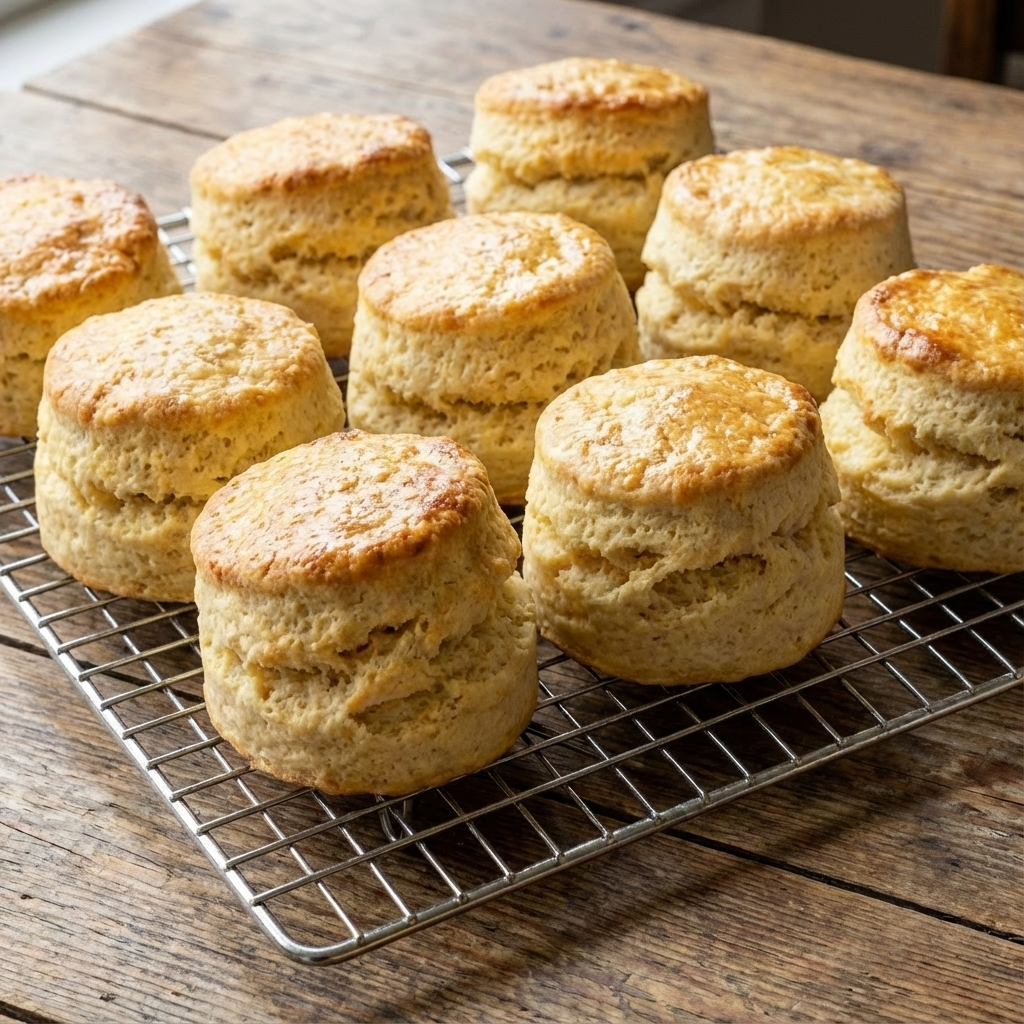
The iconic flaky layers and tall rise of a proper scone are achieved through precise fat distribution and gentle handling. Using very cold butter (or sometimes frozen, grated butter) is essential. When small, solid pieces of cold fat are incorporated into the flour, they create pockets. In the hot oven, these pockets melt, releasing steam that pushes the layers apart, creating flakiness.
The liquid, typically cold buttermilk or milk, should be added just to bind the dough. Overworking the dough is the cardinal sin—it develops gluten, leading to tough, chewy scones instead of a tender, crumbly texture. A combination of baking powder and baking soda (with buttermilk) provides a powerful, instant lift.
The key is to handle the dough as little as possible, patting (not rolling) it and cutting straight down with a sharp cutter without twisting, which seals the edges and inhibits the rise.
Instructions
Prep
Preheat oven to 425°F (220°C). Line a baking sheet with parchment paper. Ensure all ingredients are cold.
Mix Dry Ingredients
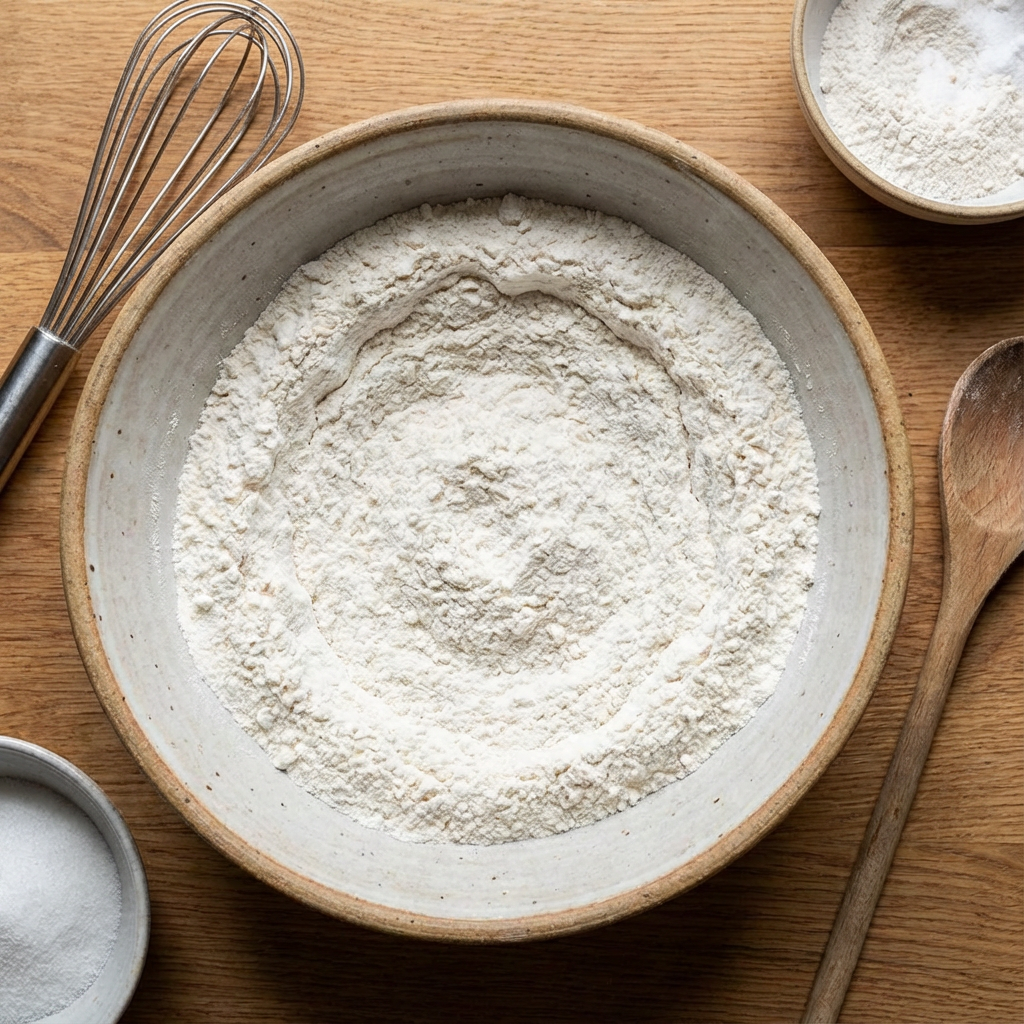
In a large bowl, whisk together the flour, sugar, baking powder, and salt.
Cut in the Butter
Add the cold, cubed butter. Using a pastry cutter, two forks, or your fingertips, quickly work the butter into the flour until the mixture resembles coarse breadcrumbs with some pea-sized pieces of butter remaining.
Add Liquid
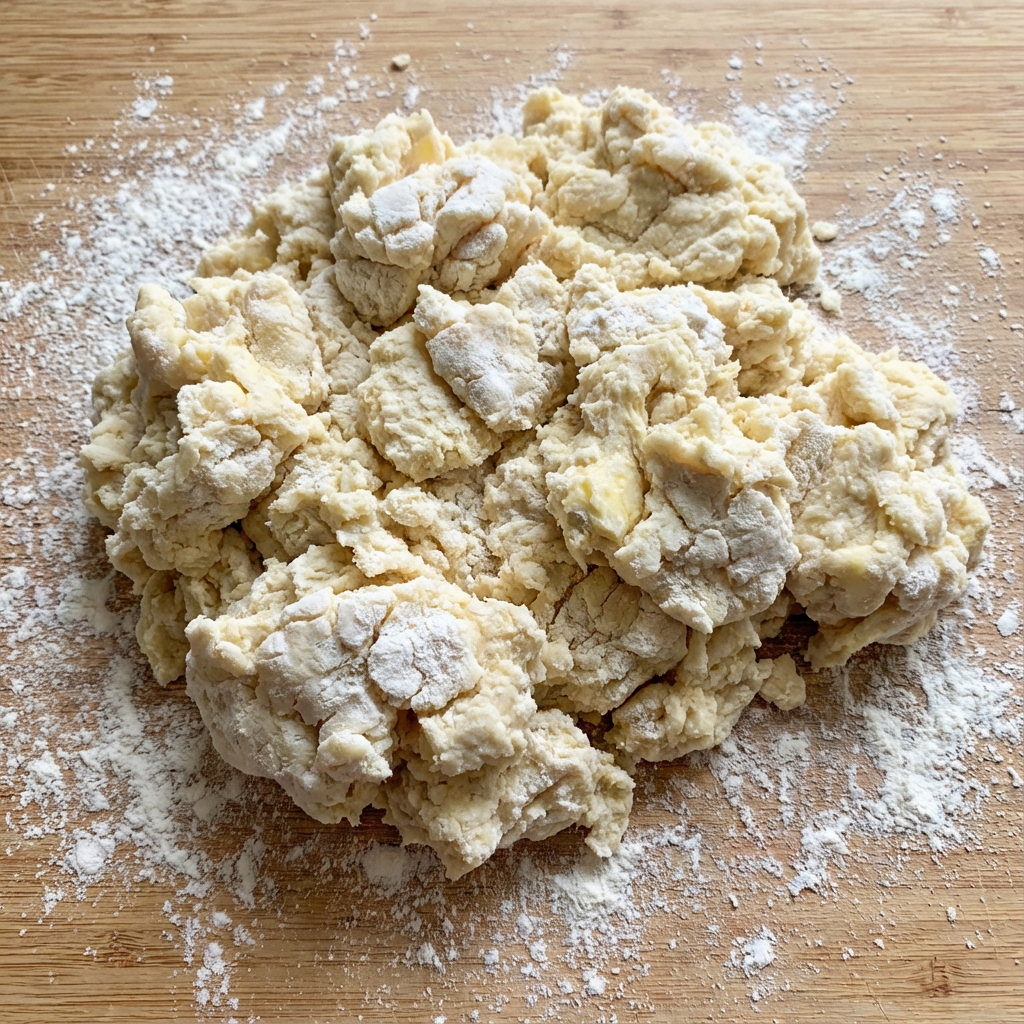
Make a well in the center. Pour in the cold buttermilk (and vanilla, if using). Using a fork or a spatula, gently stir just until a shaggy dough begins to form and no dry flour is visible.
Shape the Dough
Turn the shaggy mixture out onto a lightly floured surface. Gently pat and fold it over itself a few times until it just comes together into a cohesive mass—do not knead. Pat into a round disc about 1-inch thick.
Cut the Scones
Using a sharp, floured 2.5-inch round cutter, press straight down into the dough (do not twist). Place the scones on the prepared baking sheet, touching slightly for taller sides. Re-roll scraps once, minimally.
Bake
Brush the tops lightly with buttermilk. Bake for 12-15 minutes, until well risen, golden brown on top, and the bottoms are lightly golden.
Serve
Transfer to a wire rack to cool for a few minutes. Serve warm, split open, and topped with clotted cream and jam.
Pro-Tips for Scone Success
- Keep Everything Cold: Cold butter and milk are non-negotiable for flaky layers. Some bakers even freeze the butter and grate it in.
- Handle with Care: The less you work the dough, the better. A shaggy, rough dough is preferable to a smooth one.
- The No-Twist Rule: When cutting, press the cutter straight down and lift straight up. Twisting compresses the edges and prevents a good rise.
- Buttermilk vs. Milk: Buttermilk yields a more tender crumb and slight tang due to its acidity reacting with the baking powder. Whole milk works but results in a slightly less tender scone.
- Thickness Matters: Pat the dough to a full 1-inch thickness. Thinner dough will yield shorter scones.
- Baking Temperature: A very hot oven is key for immediate steam production and a good rise.
- Fresh Baking Powder: Ensure your baking powder is fresh for maximum lift.
- The Cream or Jam First Debate: In Cornwall, it’s jam then cream. In Devon, it’s cream then jam.
Choose your allegiance! These Perfect English Scones are a simple, rewarding bake that brings a touch of elegance to any day.