nan
The Cloud Bread That Actually Tastes Like Bread (Not Styrofoam)
Remember the Cloud Bread Craze? (And Why It Failed Us)
Remember when cloud bread took the internet by storm? Promises of fluffy, airy, almost zero-carb bread replacements danced in our heads. We envisioned guilt-free sandwiches, low carb toast, and a world where bread wasn't the enemy. Then we actually *made* it. The reality? Often a dry, eggy, and frankly, styrofoam-like disappointment. The texture was off, the flavor was… well, barely there, and the initial excitement quickly faded. Many of us relegated cloud bread to the "Pinterest fail" category, vowing to stick with our salads and dream of real bread.
But what if I told you there's a way to recapture that initial dream? What if you could have a cloud bread that actually tastes like, well, *bread*? A cloud bread that's not just edible, but enjoyable? We're not talking about some magical ingredient or complicated technique. It's about understanding the science behind the original recipe and tweaking it to create something truly delicious. Let's ditch the dry, eggy disappointment and embark on a journey to cloud bread perfection.
The Problem with the Original Cloud Bread Recipe
The original cloud bread recipe, often consisting of just eggs, cream cheese, and a sweetener, is fundamentally flawed. The lack of structure and binding agents results in a fragile, airy texture that quickly dries out. The high egg content contributes to the eggy flavor that many find off-putting. And the absence of any real flavor enhancers leaves the bread tasting bland and uninspired. It's a recipe designed for simplicity, but it sacrifices taste and texture in the process.
Think about it: traditional bread relies on gluten, a protein found in wheat, to provide structure and elasticity. Gluten traps air bubbles, creating a light and airy crumb. Cloud bread, being gluten free, lacks this crucial component. The original recipe attempts to compensate with whipped egg whites, but the air bubbles are unstable and quickly collapse during baking. This results in a dense, dry texture that's far from the fluffy cloud we were promised. Furthermore, the cream cheese, while adding some richness, doesn't provide enough binding power to hold the bread together.
Our Secret Weapon: Adding Fiber and Flavor
The key to transforming cloud bread from a culinary disaster to a delightful treat lies in adding fiber and flavor. Fiber provides structure and helps retain moisture, preventing the bread from drying out. Flavor enhancers mask the eggy taste and add depth and complexity. We're not talking about complicated ingredients or time-consuming techniques. Simple additions like psyllium husk powder and nutritional yeast can make a world of difference.
Psyllium husk powder is a soluble fiber derived from the seeds of the Plantago ovata plant. It's a fantastic addition to low carb baking because it absorbs water and forms a gel-like substance, mimicking the binding properties of gluten. This helps create a more stable structure and prevents the bread from becoming crumbly. Nutritional yeast, on the other hand, adds a cheesy, savory flavor that complements the other ingredients and masks the eggy taste. It's also a great source of B vitamins, making it a healthy and delicious addition to your cloud bread.
The Ultimate Cloud Bread Recipe (That Actually Works!)
Alright, let's get down to business. Here's the recipe that will finally deliver on the promise of delicious, fluffy cloud bread: You'll need 3 large eggs, separated; 3 tablespoons of cream cheese, softened; 1 tablespoon of psyllium husk powder; 1 tablespoon of nutritional yeast; and a pinch of salt. Preheat your oven to 300°F (150°C) and line a baking sheet with parchment paper.
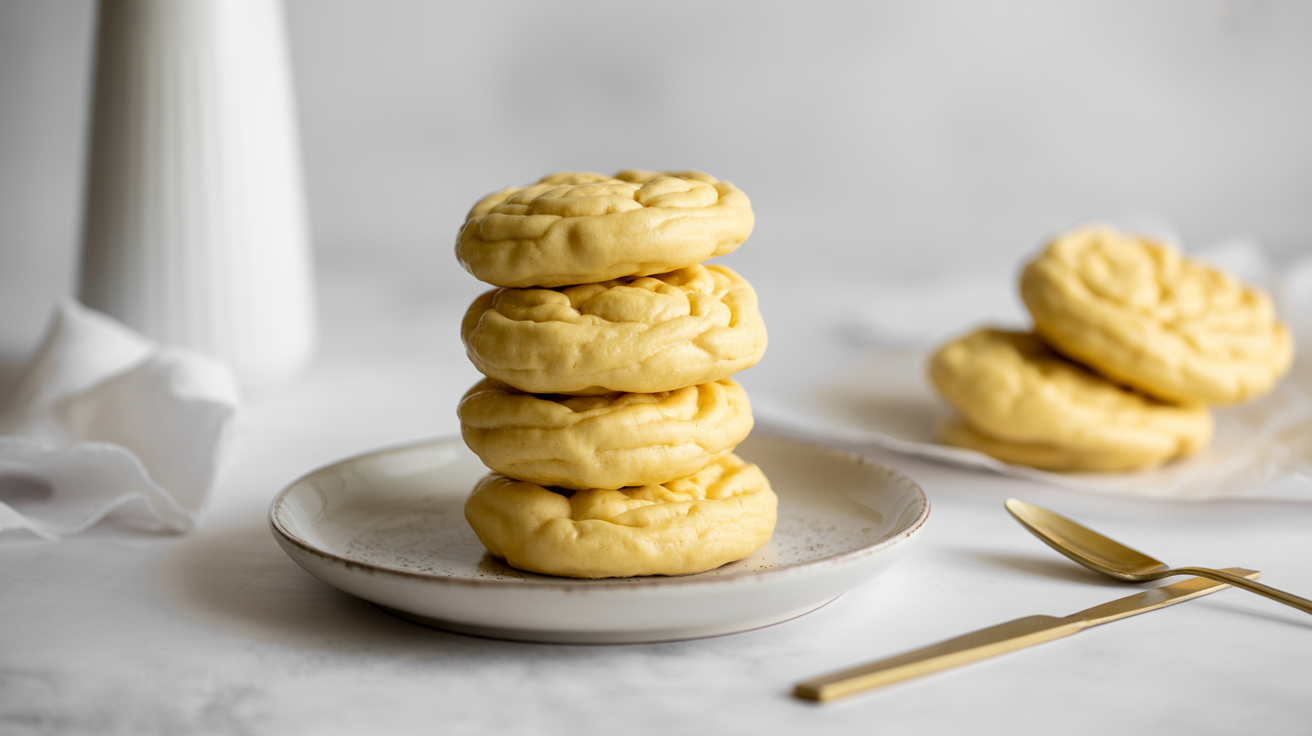
In a large bowl, beat the egg whites with a pinch of salt until stiff peaks form. In a separate bowl, beat the egg yolks with the cream cheese, psyllium husk powder, and nutritional yeast until smooth. Gently fold the egg yolk mixture into the egg whites, being careful not to deflate the whites. Spoon the mixture onto the prepared baking sheet, forming 6-8 small rounds. Bake for 25-30 minutes, or until golden brown. Let cool completely before serving.
Tips and Tricks for Cloud Bread Success
Achieving cloud bread perfection requires a few key techniques. First, make sure your egg whites are at room temperature. This will help them whip up to a greater volume. Second, be patient when folding the egg yolk mixture into the egg whites. Overmixing will deflate the whites and result in a dense bread. Third, don't overbake the bread. Overbaking will dry it out and make it crumbly. Keep a close eye on it and remove it from the oven as soon as it's golden brown.
Experiment with different flavorings to customize your cloud bread. Add a sprinkle of garlic powder or onion powder for a savory twist. Or, add a dash of cinnamon or vanilla extract for a sweet treat. You can even add chopped herbs like rosemary or thyme for a more sophisticated flavor. The possibilities are endless! Remember, this recipe is a starting point. Feel free to adjust the ingredients and techniques to suit your own taste preferences.
Cloud Bread: More Than Just a Bread Substitute
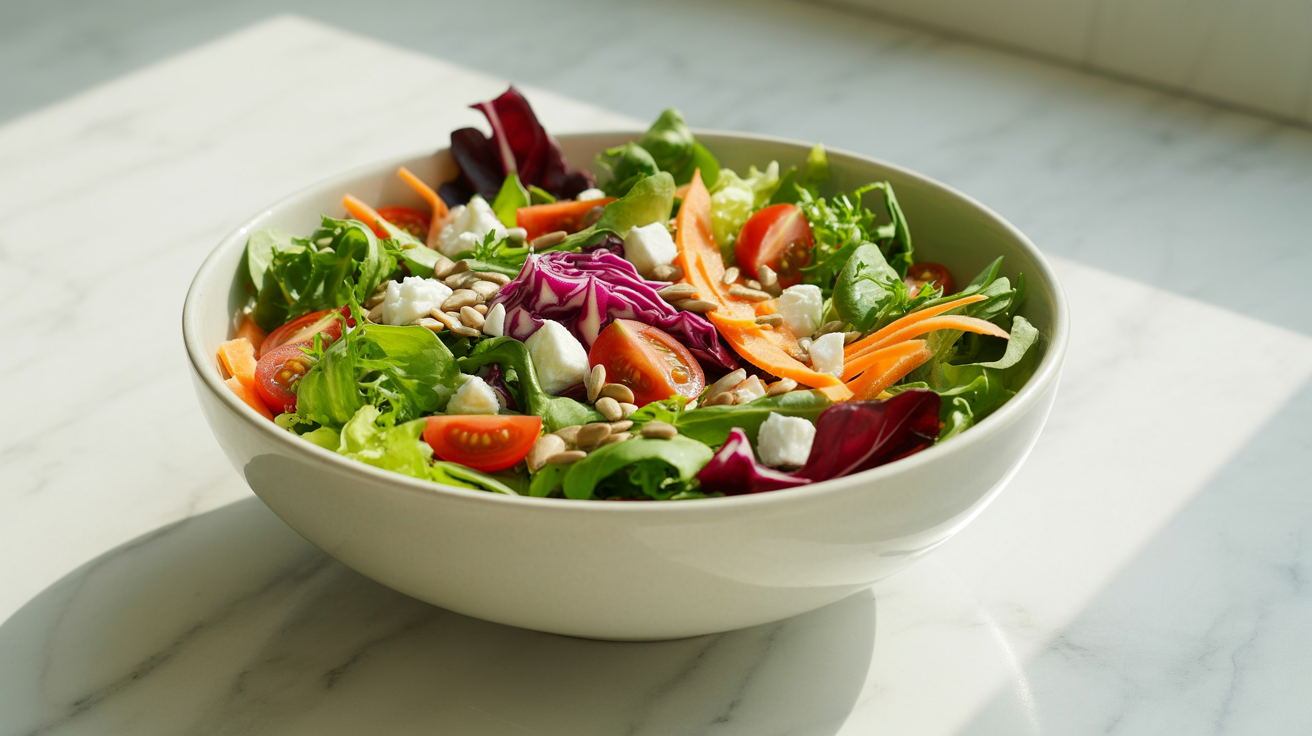
Cloud bread isn't just a bread substitute; it's a versatile ingredient that can be used in a variety of dishes. Use it as a base for mini pizzas, top it with avocado and a fried egg for a quick and healthy breakfast, or use it to make low carb sandwiches. It's also a great addition to salads, adding a light and airy texture that complements the other ingredients. Crumble it over your salad for a crouton alternative that won't derail your diet.
Consider using cloud bread as a vehicle for your favorite vegan toppings. Spread it with hummus and sprinkle with chopped vegetables for a light and refreshing snack. Or, top it with a vegan cheese alternative and bake it until melted for a delicious and satisfying meal. The light and airy texture of cloud bread makes it the perfect canvas for a variety of flavors and textures. It's a blank slate that allows you to get creative in the kitchen and explore new culinary possibilities.
Making it Vegan: A Simple Substitution
While the original recipe relies on eggs and cream cheese, it's surprisingly easy to adapt it for a vegan diet. The key is to find suitable replacements for these ingredients. For the eggs, you can use a flax egg, which is made by mixing 1 tablespoon of ground flaxseed with 3 tablespoons of water and letting it sit for 5 minutes to thicken. This will provide the necessary binding power.
For the cream cheese, you can use a vegan cream cheese alternative, which is readily available in most grocery stores. Look for a brand that's made from cashews or almonds, as these tend to have a creamier texture. You may need to adjust the amount of liquid in the recipe to compensate for the different consistency of the vegan cream cheese. Start with a smaller amount and add more as needed until the batter reaches the desired consistency. Remember, the goal is to create a batter that's light and airy, but not too runny.
Beyond the Recipe: Embracing a Low Carb Lifestyle
Cloud bread is just one small piece of the puzzle when it comes to embracing a low carb lifestyle. It's important to focus on whole, unprocessed foods and to limit your intake of refined carbohydrates. Load up on non-starchy vegetables like leafy greens, broccoli, and cauliflower. These vegetables are packed with nutrients and fiber, and they're naturally low in carbohydrates. Incorporate healthy fats like avocados, nuts, and seeds into your diet. These fats will help you feel full and satisfied, and they're essential for hormone production and brain health.
Remember, a low carb lifestyle isn't about deprivation; it's about making smart choices and finding healthy alternatives to your favorite foods. Cloud bread is a perfect example of this. It allows you to enjoy the taste and texture of bread without the guilt. By focusing on whole, unprocessed foods and finding creative ways to satisfy your cravings, you can successfully embrace a low carb lifestyle and reap the many health benefits it has to offer. And don't forget the importance of regular exercise and stress management. These factors play a crucial role in overall health and well-being.
Conclusion: Reclaim Your Cloud Bread Dreams!
So, there you have it: the cloud bread that actually tastes like bread. No more dry, eggy disappointments. No more styrofoam-like textures. Just delicious, fluffy, low carb bread that you can enjoy guilt-free. By adding fiber and flavor, we've transformed a culinary failure into a culinary triumph. This recipe is a testament to the power of experimentation and the importance of never giving up on your culinary dreams. Whether you're following a low carb diet, a gluten free diet, or simply looking for a healthier alternative to traditional bread, this cloud bread recipe is sure to become a staple in your kitchen.
Now it's your turn! Try this recipe, experiment with different flavorings, and share your creations with the world. Let's reclaim the cloud bread craze and show everyone that it's possible to have delicious, healthy bread without sacrificing taste or texture. Don't forget to share your photos and tag us on social media! We can't wait to see what you create. Happy baking!