nan
The 'Poor Man's Steak' Recipe That Tastes Better Than Ribeye
Have You Ever Craved Steak on a Ramen Noodle Budget?
Let's be honest, the siren song of a perfectly seared ribeye is hard to resist. The rich marbling, the juicy tenderness, the satisfying sear… it’s a culinary experience. But for many of us, especially when we're focused on saving money and sticking to a budget, that experience feels like a distant dream. Steakhouse prices can be astronomical, and even buying a decent cut at the grocery store can put a serious dent in your weekly food budget. But what if I told you there's a way to achieve that steakhouse flavor and satisfaction without breaking the bank? What if you could create a dish so delicious, so surprisingly steak-like, that you'd actually prefer it to a ribeye?
This isn't some clickbait fantasy. We're talking about the "Poor Man's Steak," a recipe that transforms humble ingredients into a culinary masterpiece. It's a dish born out of necessity, a testament to the power of resourcefulness and creative cooking. It's about maximizing flavor while minimizing cost, proving that delicious meals don't have to be expensive. Get ready to ditch the steakhouse reservations and embrace a new way to satisfy your carnivorous cravings. This recipe is a game-changer for anyone looking for cheap meals that don't sacrifice taste.
The Secret Ingredient: The Humble Chuck Roast
The star of our "Poor Man's Steak" is the often-overlooked chuck roast. This cut of beef, typically used for pot roasts and stews, is surprisingly flavorful and, most importantly, incredibly affordable. While ribeye is prized for its tenderness and marbling, chuck roast boasts a rich, beefy flavor that can rival even the most expensive cuts. The key is understanding how to unlock that potential. Chuck roast is a tougher cut, but with the right preparation and cooking techniques, it can become incredibly tender and juicy. Think of it as a diamond in the rough, waiting to be polished into a culinary gem.
Don't be intimidated by the size or appearance of the chuck roast. Its affordability makes it perfect for experimenting and perfecting your cooking skills. Plus, a single chuck roast can yield multiple meals, making it an excellent choice for batch cooking and saving money on future dinners. You can even use the leftovers to create amazing sandwiches, tacos, or even a hearty beef stew. The possibilities are endless! Choosing a chuck roast with good marbling will also help with the flavor and tenderness of the final product.
The Marinade: Flavor Explosion on a Budget
The marinade is where the magic truly happens. This isn't just about adding flavor; it's about tenderizing the meat and transforming the chuck roast into something truly special. Our marinade is a carefully crafted blend of ingredients designed to penetrate the meat, break down tough fibers, and infuse it with a rich, savory flavor. We're talking about a combination of soy sauce, Worcestershire sauce, garlic, onion powder, smoked paprika, and a touch of brown sugar for sweetness and caramelization. This combination creates a complex flavor profile that mimics the richness and depth of a high-end steak.
Don't be afraid to experiment with your marinade! Feel free to add a splash of red wine vinegar for acidity, a pinch of red pepper flakes for heat, or even a tablespoon of Dijon mustard for tanginess. The beauty of this recipe is its adaptability. The key is to ensure that the marinade is well-balanced and that it completely coats the chuck roast. Marinate the meat for at least 4 hours, or preferably overnight, to allow the flavors to fully penetrate. This step is crucial for achieving that melt-in-your-mouth tenderness we're aiming for. Remember, the longer the marinade, the more flavorful and tender the final product will be.
The Reverse Sear: The Secret to Steakhouse Perfection
The reverse sear is a cooking technique that involves slowly cooking the meat at a low temperature until it reaches a desired internal temperature, then searing it at a high temperature to create a beautiful crust. This method is particularly effective for tougher cuts of meat like chuck roast because it allows the meat to cook evenly and retain its moisture. By slowly raising the internal temperature, we're giving the connective tissues time to break down, resulting in a more tender and juicy steak. This is a game-changer for achieving that steakhouse quality at home.
To reverse sear your "Poor Man's Steak," preheat your oven to 250°F (120°C). Place the marinated chuck roast on a wire rack set over a baking sheet and cook until it reaches an internal temperature of 125°F (52°C) for medium-rare, or 130°F (54°C) for medium. This will take approximately 1.5 to 2 hours, depending on the thickness of the roast. Once the roast has reached the desired temperature, remove it from the oven and let it rest for 15 minutes. This resting period is crucial for allowing the juices to redistribute throughout the meat, resulting in a more tender and flavorful steak. While the roast is resting, heat a cast-iron skillet over high heat until it's smoking hot. Add a tablespoon of oil to the skillet and sear the roast for 1-2 minutes per side, until a deep, golden-brown crust forms. This searing process is what gives the "Poor Man's Steak" its signature steakhouse look and flavor.
The Pan Sauce: Elevating the Flavor Profile
Don't discard those delicious pan drippings! They're the foundation for a simple yet incredibly flavorful pan sauce that will elevate your "Poor Man's Steak" to the next level. This sauce is a quick and easy way to add depth and complexity to the dish, and it utilizes all the wonderful flavors that have accumulated in the pan during the searing process. It's a testament to the idea that even the simplest ingredients can be transformed into something extraordinary with a little creativity and know-how.
To make the pan sauce, simply remove the seared chuck roast from the skillet and set it aside to rest. Add a tablespoon of butter to the skillet and let it melt. Then, add a minced shallot or a small onion and cook until softened. Deglaze the pan with a splash of red wine or beef broth, scraping up any browned bits from the bottom of the skillet. Add a tablespoon of Worcestershire sauce and a pinch of dried thyme. Let the sauce simmer for a few minutes, until it has thickened slightly. Season with salt and pepper to taste. Pour the sauce over the sliced "Poor Man's Steak" and serve immediately. This pan sauce adds a layer of richness and complexity that perfectly complements the savory flavor of the steak.
Slicing and Serving: Presentation Matters
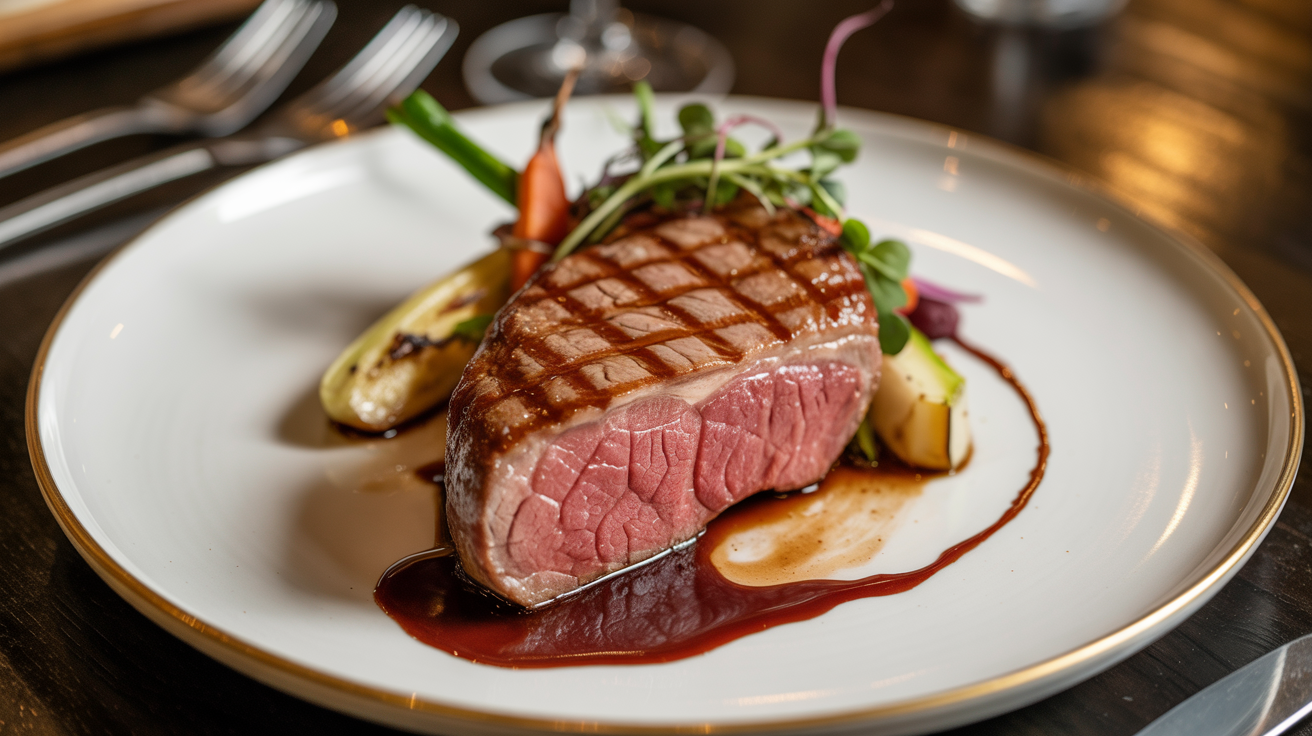
The way you slice and serve your "Poor Man's Steak" can make a big difference in the overall dining experience. Remember, we're aiming for that steakhouse quality, so presentation is key. Always slice the steak against the grain, which means cutting perpendicular to the direction of the muscle fibers. This will shorten the fibers, making the steak more tender and easier to chew. Use a sharp knife to ensure clean, even slices. Aim for slices that are about ¼ inch thick.
Arrange the sliced steak on a platter or individual plates. Drizzle generously with the pan sauce. Garnish with fresh herbs, such as parsley or thyme, for a pop of color and freshness. Serve with your favorite sides, such as mashed potatoes, roasted vegetables, or a simple salad. The "Poor Man's Steak" is a versatile dish that pairs well with a variety of accompaniments. Don't be afraid to get creative and experiment with different flavor combinations. Remember, the goal is to create a meal that is both delicious and visually appealing. This attention to detail will elevate your dining experience and make you feel like you're dining at a high-end steakhouse, all while saving money.
Side Dish Sensations: Completing the Meal on a Budget
No steak is complete without the perfect side dishes, but keeping those sides budget-friendly is key. Think about classic pairings that don't break the bank. Mashed potatoes are always a winner, and you can elevate them with roasted garlic or a sprinkle of fresh herbs. Roasted vegetables, such as carrots, broccoli, or Brussels sprouts, are another great option. Simply toss them with olive oil, salt, and pepper, and roast them in the oven until tender and slightly caramelized. A simple salad with a vinaigrette dressing is a refreshing and healthy addition to the meal.
Consider using seasonal vegetables to save even more money. In the fall, butternut squash and sweet potatoes are affordable and delicious. In the spring, asparagus and peas are in season and readily available. Don't be afraid to get creative and experiment with different flavor combinations. A side of creamy polenta or a simple risotto can also be a budget-friendly and satisfying addition to the meal. Remember, the goal is to create a balanced and flavorful meal that doesn't cost a fortune. Using leftovers from other meals can also help you save money on side dishes. For example, leftover roasted vegetables can be added to a salad or used as a topping for a baked potato. The possibilities are endless!
Leftovers: The Gift That Keeps on Giving
One of the best things about the "Poor Man's Steak" is that it's even better the next day! Leftovers can be transformed into a variety of delicious and budget-friendly meals. Think about slicing the leftover steak and using it in sandwiches, tacos, or salads. You can also add it to a stir-fry or a pasta dish. The possibilities are endless! Storing leftovers properly is crucial for maintaining their quality and preventing food waste. Always store cooked meat in an airtight container in the refrigerator. Leftovers should be consumed within 3-4 days.
Consider using leftover steak to make a hearty beef stew. Simply add the steak to a pot with vegetables, broth, and seasonings, and simmer until the vegetables are tender. This is a great way to use up leftover vegetables and create a comforting and satisfying meal. You can also use leftover steak to make a delicious breakfast hash. Simply dice the steak and sauté it with potatoes, onions, and peppers. Top with a fried egg for a complete and satisfying breakfast. Repurposing leftovers is a great way to save money and reduce food waste. It's also a fun way to get creative in the kitchen and experiment with different flavor combinations. Embrace the challenge of transforming leftovers into something new and exciting!
From Budget to Banquet: The "Poor Man's Steak" Revolution
The "Poor Man's Steak" is more than just a recipe; it's a testament to the power of resourcefulness and creative cooking. It's a reminder that delicious meals don't have to be expensive, and that even the humblest ingredients can be transformed into something extraordinary. This recipe is a game-changer for anyone looking for cheap meals that don't sacrifice taste. It's a perfect example of how to maximize flavor while minimizing cost, proving that you can enjoy steakhouse quality without breaking the bank. It's about taking control of your food budget and creating delicious, satisfying meals that you can be proud of.
So, ditch the steakhouse reservations and embrace the "Poor Man's Steak" revolution. Gather your ingredients, fire up your oven, and prepare to be amazed. This recipe is a guaranteed crowd-pleaser, and it's sure to become a staple in your weekly meal rotation. Not only will you be saving money, but you'll also be discovering a new way to enjoy the rich, savory flavor of steak. It's time to redefine what it means to eat well on a budget. Are you ready to transform your kitchen and your wallet? Try the "Poor Man's Steak" today and experience the deliciousness for yourself! Share this recipe with your friends and family and let's spread the word about this amazing budget-friendly meal!