nan
The 'Scoop and Sweep' Method Is Ruining Your Cakes (Do This Instead)
The Great Flour Fiasco: A Baking Mystery
Have you ever followed a cake recipe to the letter, meticulously measuring each ingredient, only to end up with a dry, dense, and disappointing result? You’re not alone! Many home bakers struggle with achieving that light, airy, and perfectly moist cake texture, and often, the culprit is hiding in plain sight: the way we measure flour. The seemingly innocuous "scoop and sweep" method, a technique ingrained in many of us, is actually a recipe for baking disaster. It's time to uncover the truth about flour measurement and learn a better way to ensure baking success.
Imagine this: you're excited to bake a beautiful homemade cake for a special occasion. You grab your measuring cup, plunge it directly into the flour container, pack it down, and level it off with a knife. Seems straightforward, right? Wrong! This seemingly simple act can add a significant amount of extra flour to your recipe, throwing off the delicate balance of ingredients and leading to a less-than-perfect final product. Let's delve into why this method is so problematic and explore the superior techniques that will transform your baking.
Why 'Scoop and Sweep' Leads to Baking Blunders
The fundamental problem with the "scoop and sweep" method lies in its inconsistency. When you scoop flour directly from the container, you inevitably compress it, packing more flour into the measuring cup than intended. The amount of compression varies depending on how vigorously you scoop and how tightly the flour is packed in the container. This variability means that each time you measure, you're likely adding a different amount of flour, leading to unpredictable results. This is especially critical in baking, where precise measurements are essential for achieving the desired texture and structure.
Think of it this way: flour is a dry ingredient, and its density can change based on how it's handled. Scooping and sweeping compacts the flour, eliminating air pockets and increasing its weight. This extra weight translates to a higher flour-to-liquid ratio in your batter, resulting in a cake that is dry, tough, and potentially crumbly. For pastry, this can lead to a tough crust instead of a flaky, tender one. The difference between a light, airy cake and a dense, heavy one can often be traced back to this seemingly small detail.
The Gold Standard: Weighing Your Flour
The most accurate and reliable method for measuring flour is by weight. Using a kitchen scale to weigh your flour eliminates the guesswork and ensures consistent results every time. This is the preferred method of professional bakers and pastry chefs, and it's a game-changer for home bakers as well. A digital kitchen scale is an inexpensive investment that will significantly improve the quality of your baking. It allows you to measure flour in grams or ounces, depending on the recipe's instructions.
When a recipe calls for a specific weight of flour, simply place a bowl on your kitchen scale, tare the scale to zero (this removes the weight of the bowl), and then gradually add flour until you reach the desired weight. This method is far more precise than using measuring cups, as it eliminates the variations caused by scooping and packing. Weighing your flour guarantees that you're using the exact amount specified in the recipe, leading to more predictable and successful baking outcomes. This is especially important when working with delicate pastry recipes where precision is key.
The 'Spoon and Level' Technique: A Close Second
If you don't have a kitchen scale, the "spoon and level" method is the next best option. This technique involves using a spoon to gently transfer flour from the container into your measuring cup, avoiding any packing or compression. Once the cup is filled, use a straight-edged utensil, such as a knife or spatula, to level off the excess flour, ensuring a precise measurement. The key is to avoid shaking or tapping the cup, as this can also cause the flour to settle and pack down.
The "spoon and level" method is a significant improvement over the "scoop and sweep" technique because it minimizes the amount of compression. By spooning the flour into the cup, you're allowing it to remain light and airy, resulting in a more accurate measurement. While not as precise as weighing, this method is a reliable alternative for home bakers who don't have access to a kitchen scale. It's a simple yet effective way to improve the consistency of your baking and avoid the pitfalls of over-measuring flour.
Flour Types and Their Impact on Measurement
It's important to remember that different types of flour have different densities. All-purpose flour, cake flour, bread flour, and pastry flour each have unique characteristics that affect how they measure. For example, cake flour is typically lighter and finer than all-purpose flour, so it will pack differently in a measuring cup. This is another reason why weighing is the most accurate method, as it accounts for these variations in density.
When using the "spoon and level" method, be extra careful to avoid packing the flour, especially when working with denser flours like bread flour. Gently spoon the flour into the cup and level it off without pressing down. Understanding the properties of different flour types and how they affect measurement is crucial for achieving consistent results in your baking. Experimenting with different flours can also lead to exciting new flavors and textures in your homemade creations.
The Importance of Sifting (Sometimes!)
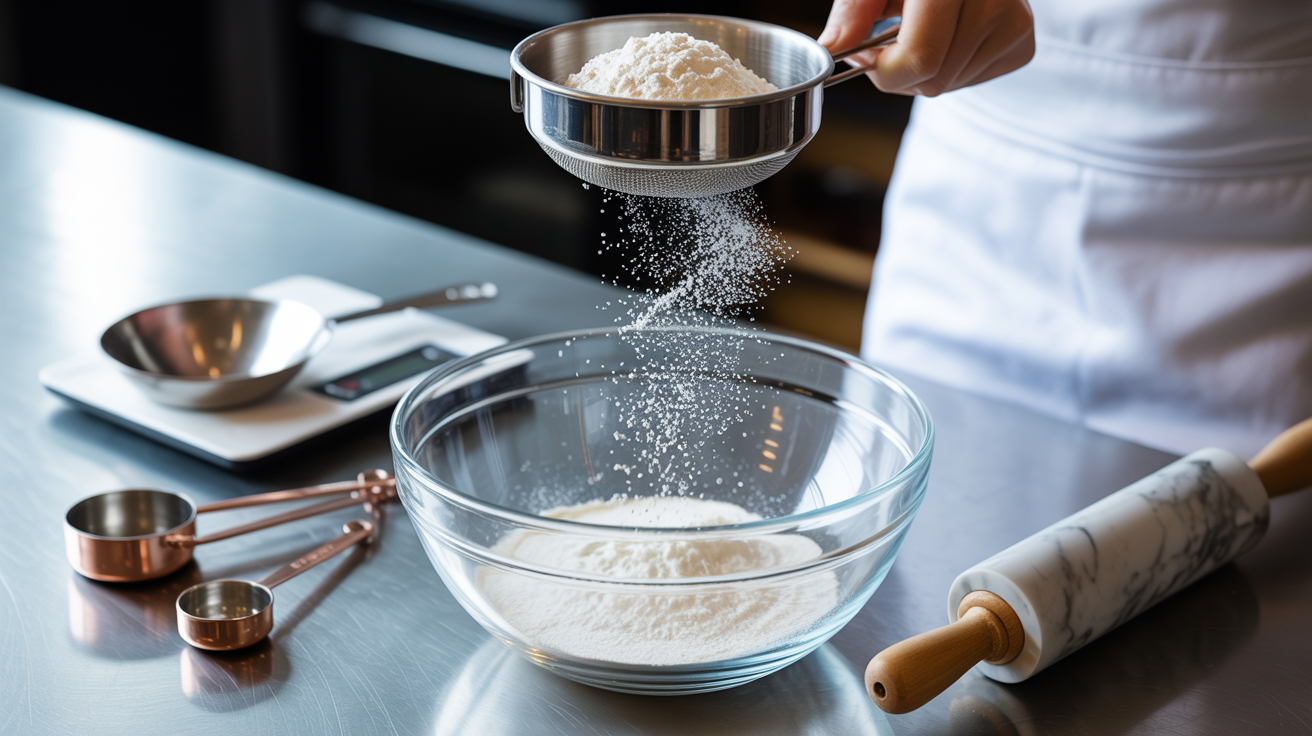
Sifting flour is another technique that can improve the accuracy of your measurements and the texture of your baked goods. Sifting helps to aerate the flour, removing any lumps and creating a lighter, more uniform consistency. This is particularly important when using recipes that call for sifted flour, as it ensures that the flour is properly incorporated into the batter. However, it's crucial to follow the recipe's instructions carefully, as sifting can also affect the overall amount of flour used.
If a recipe calls for "1 cup sifted flour," it means you should sift the flour first and then measure out 1 cup. If it calls for "1 cup flour, sifted," it means you should measure out 1 cup of flour and then sift it. These are two very different instructions that will affect the final outcome of your baking. Sifting is especially beneficial when making delicate cakes or pastries, as it helps to create a light and airy texture. It's a simple step that can make a big difference in the quality of your homemade baking.
Putting It All Together: Baking Success Starts with Accurate Measurement
Now that you understand the importance of accurate flour measurement, it's time to put these techniques into practice. Whether you choose to weigh your flour or use the "spoon and level" method, the key is to be consistent and avoid packing the flour. Remember that baking is a science, and precise measurements are essential for achieving the desired results. By mastering the art of flour measurement, you'll be well on your way to creating delicious and perfectly textured cakes, pastries, and breads.
Consider keeping a baking journal to track your results and note any adjustments you make to your recipes. This will help you to fine-tune your techniques and develop a better understanding of how different ingredients and methods affect the final outcome. Baking is a journey of learning and experimentation, and with a little practice and attention to detail, you can become a confident and successful home baker. Don't be afraid to try new recipes and explore different flavors and textures. The possibilities are endless!
Transform Your Baking Today!
The "scoop and sweep" method may seem like a convenient shortcut, but it's ultimately a recipe for baking disappointment. By adopting a more accurate method of measuring flour, such as weighing or using the "spoon and level" technique, you can significantly improve the quality of your homemade baking. Say goodbye to dry, dense cakes and hello to light, airy, and perfectly textured creations. It's time to ditch the scoop and sweep and embrace a better way to bake!
So, grab your kitchen scale or your spoon and measuring cup, and get ready to transform your baking. Experiment with different flour types, try new recipes, and most importantly, have fun! Baking is a rewarding and creative activity that can bring joy to both the baker and those who get to enjoy the delicious results. Start today and discover the difference that accurate flour measurement can make in your baking adventures. Happy baking!