nan
Why You Hate Salad: The 'Wet Leaf' Mistake Everyone Makes
The Salad Confession
Let's be honest, how many times have you stared longingly at a juicy burger or a comforting bowl of pasta while forcing down a plate of…sad salad? You know the kind: limp lettuce, watery tomatoes, and a dressing that tastes suspiciously like it came from a bottle that's been lurking in the back of your fridge for months. It's no wonder so many people claim to "hate" salad. But what if I told you that the problem isn't salad itself, but the way it's often prepared? The biggest culprit? The dreaded "wet leaf."
We've all been there. You wash your lettuce, maybe give it a cursory shake, and then toss it into a bowl with everything else. The result? A soggy, diluted mess where the dressing slides right off and every bite is a watery disappointment. This seemingly small mistake is the single biggest reason why so many people associate salad with blandness and misery. But fear not! There's a simple solution that will revolutionize your salad game forever.
The Science of Soggy Salad
Why is a wet leaf such a salad killer? It all comes down to basic science. Water repels oil, and most salad dressings are oil-based. When your lettuce is wet, the dressing simply can't adhere properly. Instead, it slides right off, leaving you with a flavorless, watery mouthful. This also dilutes the flavors of your other ingredients, turning what could be a vibrant and exciting dish into a bland and unappetizing experience.
Think of it like trying to paint a wet wall. The paint won't stick, and you'll end up with a streaky, uneven mess. The same principle applies to salad. Dry leaves provide the perfect surface for the dressing to cling to, allowing you to fully experience the flavors and textures of your ingredients. This is especially important if you're trying to create a satisfying and flavorful salad that fits into a specific dietary plan, such as a gluten free, vegan, low carb, or keto lifestyle.
The Ultimate Drying Technique: Spin It to Win It
The solution to the wet leaf problem is simple: thoroughly dry your lettuce after washing it. While patting it dry with paper towels can work in a pinch, the most effective method is to use a salad spinner. These handy gadgets use centrifugal force to remove excess water quickly and efficiently, leaving you with perfectly dry, crisp lettuce every time.
Investing in a good salad spinner is one of the best things you can do for your salad-making endeavors. They're relatively inexpensive, easy to use, and will dramatically improve the quality of your salads. Plus, they're not just for lettuce! You can use them to dry herbs, berries, and even cooked pasta for cold salads. Trust me, once you start using a salad spinner, you'll wonder how you ever lived without one.
Beyond Lettuce: Drying Other Ingredients
While lettuce is the primary culprit when it comes to soggy salads, it's important to remember that other ingredients can also contribute to the problem. Tomatoes, cucumbers, and even some fruits can release excess moisture, diluting the flavors of your salad. To combat this, consider patting these ingredients dry with paper towels before adding them to your bowl.
For example, if you're using cherry tomatoes, you can halve or quarter them and then gently blot them with a paper towel to remove any excess juice. Similarly, if you're using cucumbers, you can peel them and remove the seeds, which contain a lot of water. These small steps can make a big difference in the overall texture and flavor of your salad, especially if you are aiming for a low carb or keto friendly meal.
Dressing for Success: The Right Ratio
Once you've mastered the art of drying your ingredients, the next step is to choose the right dressing and use it sparingly. Overdressing is another common mistake that can lead to soggy salads. The goal is to lightly coat the ingredients, not drown them in dressing. A good rule of thumb is to start with a small amount of dressing and then add more to taste.
Consider making your own salad dressing at home. This allows you to control the ingredients and avoid the added sugars, preservatives, and unhealthy fats that are often found in store-bought dressings. Plus, it's surprisingly easy! A simple vinaigrette made with olive oil, vinegar, and your favorite herbs and spices can be a delicious and healthy addition to any salad. For a vegan option, consider using tahini or cashew cream as a base for your dressing.
Building a Better Bowl: Layering for Flavor
The way you layer your salad can also impact its overall flavor and texture. Start by placing the lettuce at the bottom of the bowl, followed by the heavier ingredients, such as vegetables, proteins, and grains. This will help to prevent the lettuce from getting crushed and soggy. Then, drizzle the dressing over the top, making sure to coat all of the ingredients evenly.
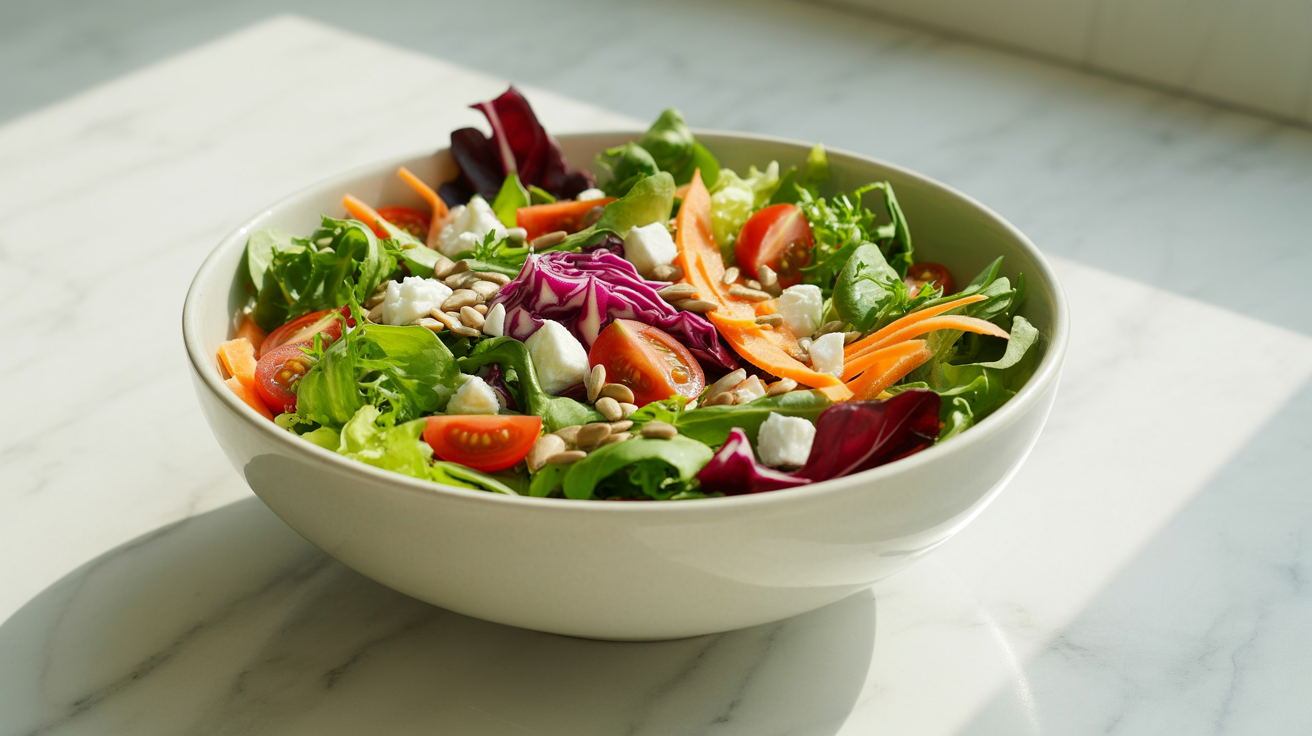
Consider adding some crunchy elements to your salad, such as nuts, seeds, or croutons. These will provide a satisfying textural contrast to the softer ingredients and add another layer of flavor. If you're following a gluten free diet, be sure to use gluten free croutons or opt for other crunchy toppings like toasted pumpkin seeds or sunflower seeds. For those on a keto diet, consider adding crispy bacon bits or parmesan crisps for added flavor and texture.
Beyond the Basics: Creative Salad Combinations
Now that you know the secrets to making a great salad, it's time to get creative! Don't be afraid to experiment with different ingredients and flavor combinations. Think beyond the traditional lettuce, tomato, and cucumber and try adding some more interesting elements, such as roasted vegetables, grilled chicken or fish, or even fruit. A salad can be a complete and satisfying meal, not just a side dish.
For a delicious and healthy gluten free and vegan salad, try combining mixed greens with roasted sweet potatoes, quinoa, black beans, and a lime vinaigrette. Or, for a low carb or keto option, try a salad with spinach, grilled chicken, avocado, bacon, and a creamy ranch dressing. The possibilities are endless! The key is to use fresh, high-quality ingredients and to have fun experimenting with different flavors and textures.
Salad Redemption: A Delicious Conclusion
So, there you have it. The secret to making a salad you'll actually crave: dry your lettuce! It's a simple step, but it makes a world of difference. By avoiding the "wet leaf" mistake and following the other tips outlined in this article, you can transform your salads from bland and boring to vibrant and delicious. No more salad confessions, only salad celebrations!
Salad doesn't have to be a punishment. It can be a delicious, healthy, and satisfying meal that you actually look forward to. Whether you're following a gluten free, vegan, low carb, or keto diet, there's a salad out there for you. So, ditch the soggy lettuce, embrace the dry leaf, and start enjoying salads again. Your taste buds (and your body) will thank you!
Ready to revolutionize your salad game? Invest in a good salad spinner today and start experimenting with different ingredients and flavor combinations. Share your favorite salad creations with us in the comments below! We can't wait to see what you come up with.